
Cosmetic Dermatology and Skincare – Module 1

Curriculum – Full Diploma

Anatomy and physiology of the skin

  • Facial anatomy and skeletal structure
    Understanding the structure of facial bones and their significance in aesthetic treatments.
    Key muscles, capillaries, and nerves of the face.
  • Structure of the skin
    Layers of the skin – epidermis, dermis, and subcutis: functions and interaction.
    The skin barrier and the importance of TEWL (transepidermal water loss).
    Various cell types and structural components of the skin.

Skin types and conditions

  • Identifying skin types
    Normal, dry, oily, combination, and sensitive skin.
  • Common skin conditions
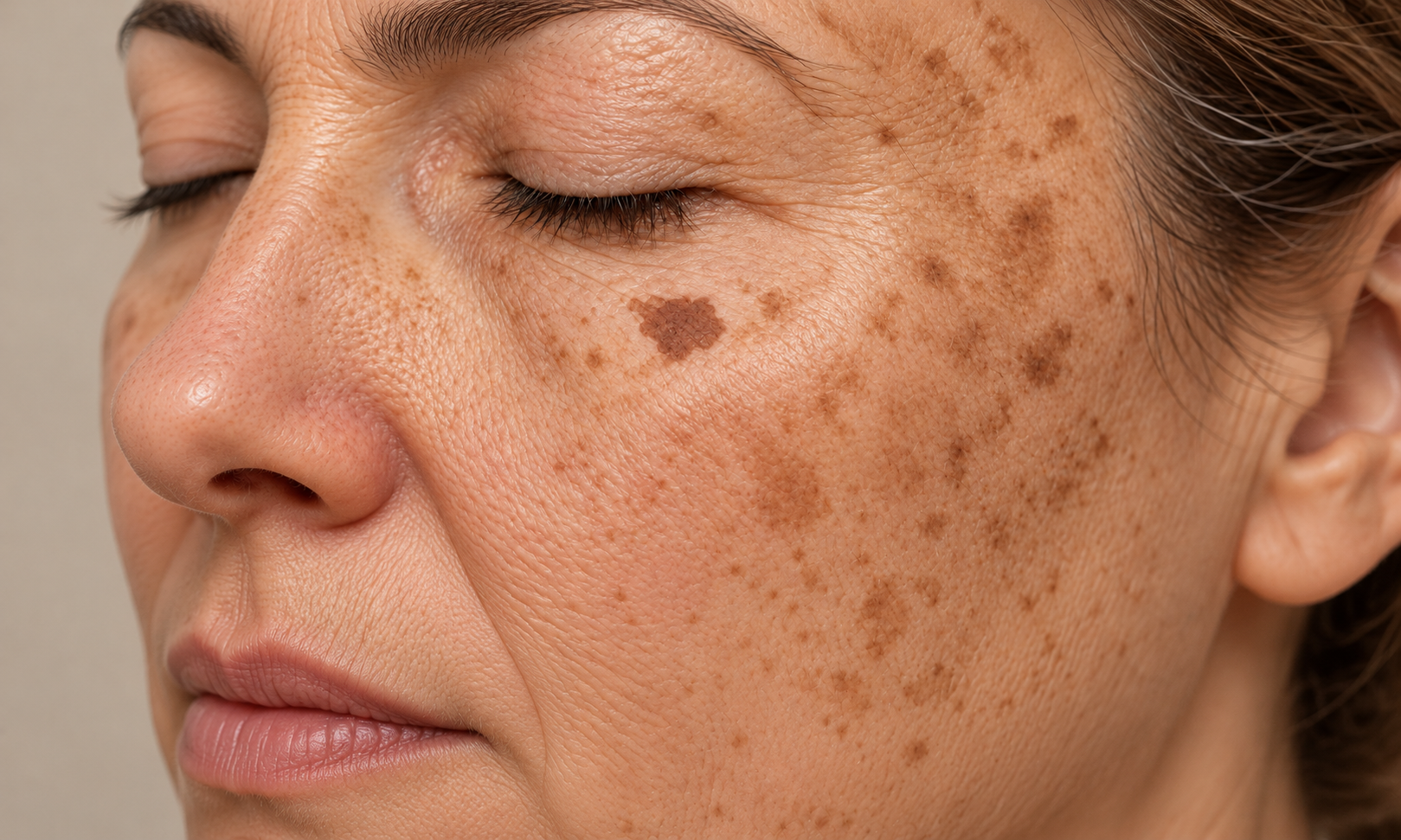
    Dehydrated skin, sensitive skin, hyperpigmentation, ageing skin, congested skin, and acne-prone skin.
  • Factors that affect the skin
    The connection between skin and stress, the gut-skin axis, and hormonal influence.
    Exploring the role of stress response, gut microbiome, and hormonal changes such as pregnancy, menopause, and puberty in skin health.

Consultation and medical history

  • Understanding the importance of thorough medical history (anamnesis) in aesthetic medicine.
  • Identifying contraindications and risk factors based on patient history.

Skin scanning and skin analysis

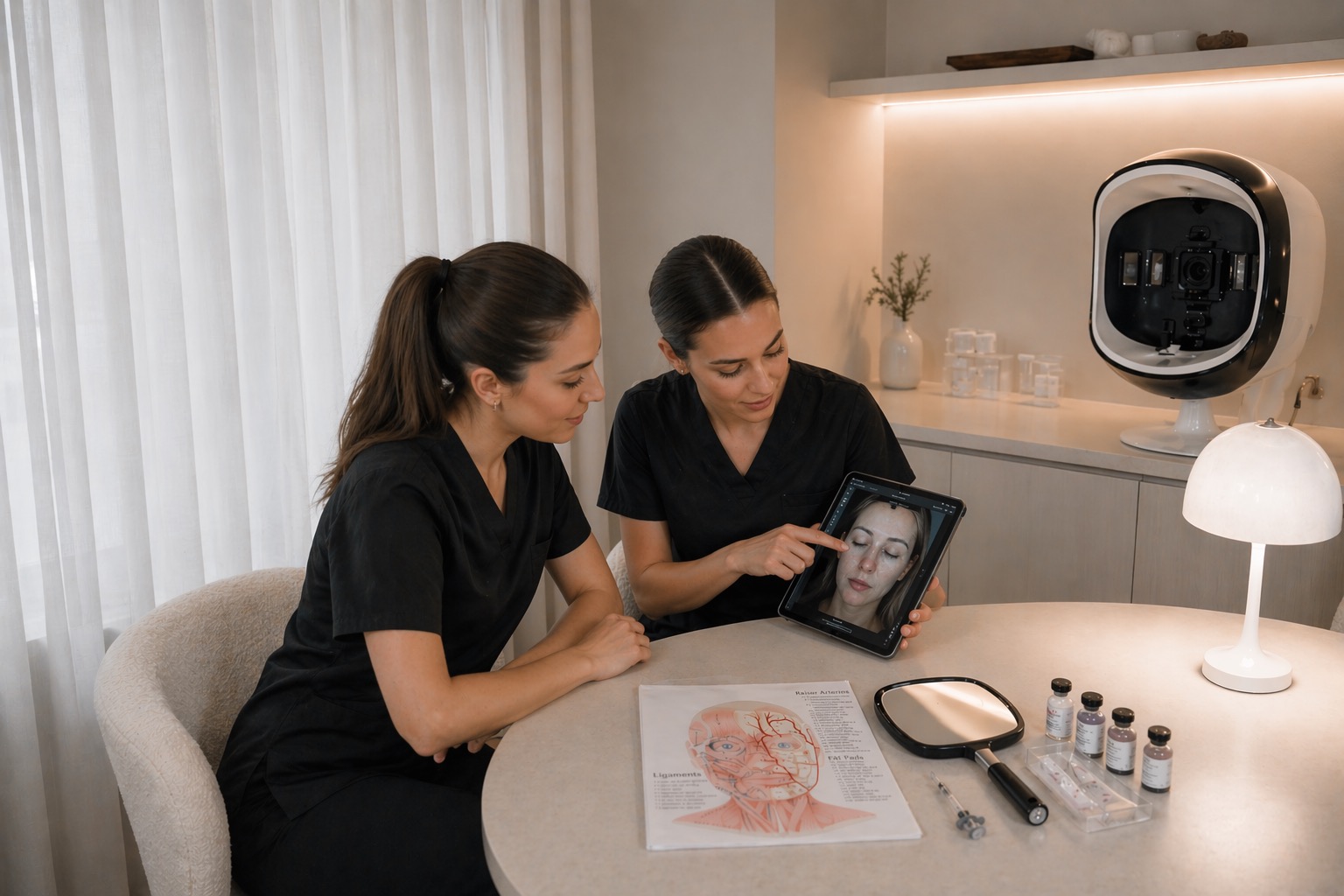
  • Understanding the principles of various skin scanning technologies.
  • Interpreting scan results to assess skin condition.
  • Differentiating between superficial and deeper skin changes.
  • Using skin analysis to create treatment plans and recommend home care routines.

Immunology

  • Understanding the immunological functions of the skin.

Facial ageing

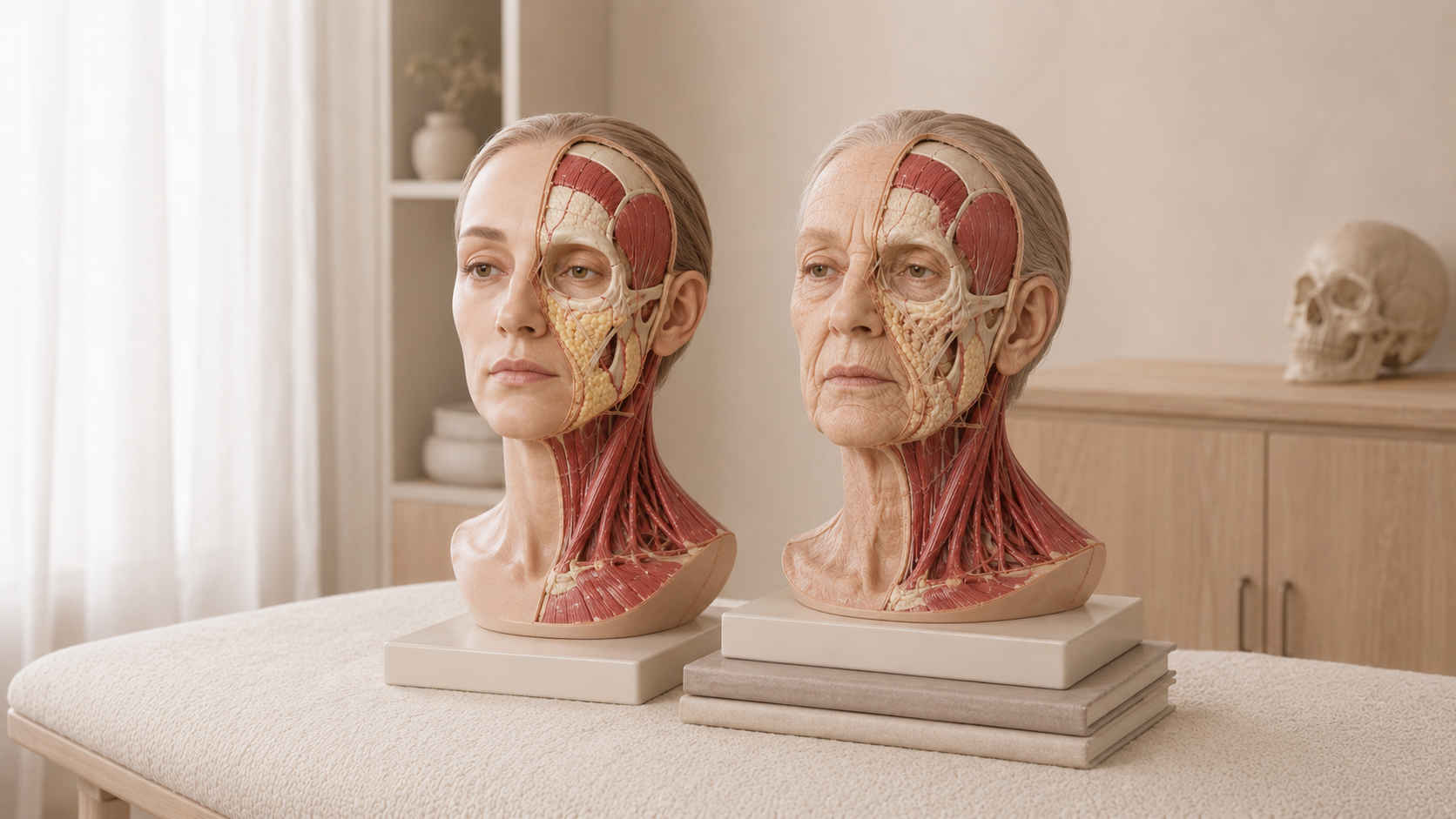
  • Understanding structural changes in bone, fat, muscle, and skin with age.
  • Learning key anatomical features relevant to ageing and aesthetic interventions.

Ageing of the skin

  • Biological mechanisms of intrinsic and extrinsic skin ageing.
  • What happens within each skin layer as we age.
  • The impact of oxidative stress, UV exposure, and inflammation on the skin.

Pigmentation disorders

  • Understanding different types of hyperpigmentation and hypopigmentation.
  • Melanin synthesis and influencing factors.

Cosmetic chemistry

  • Fundamentals of cosmetic chemistry and skincare product formulation.
  • Identifying and evaluating active ingredients and their effects on the skin.

Hydroxy acids and chemical peeling

  • Mechanisms of action of various hydroxy acids (AHA, BHA).
  • Indications and contraindications for chemical peels.
  • Safe and effective clinical application of chemical peels.

Light therapy and LED

  • Understanding the biological effects of light therapy on the skin.
  • Using LED therapy as a complementary modality in skin treatments.

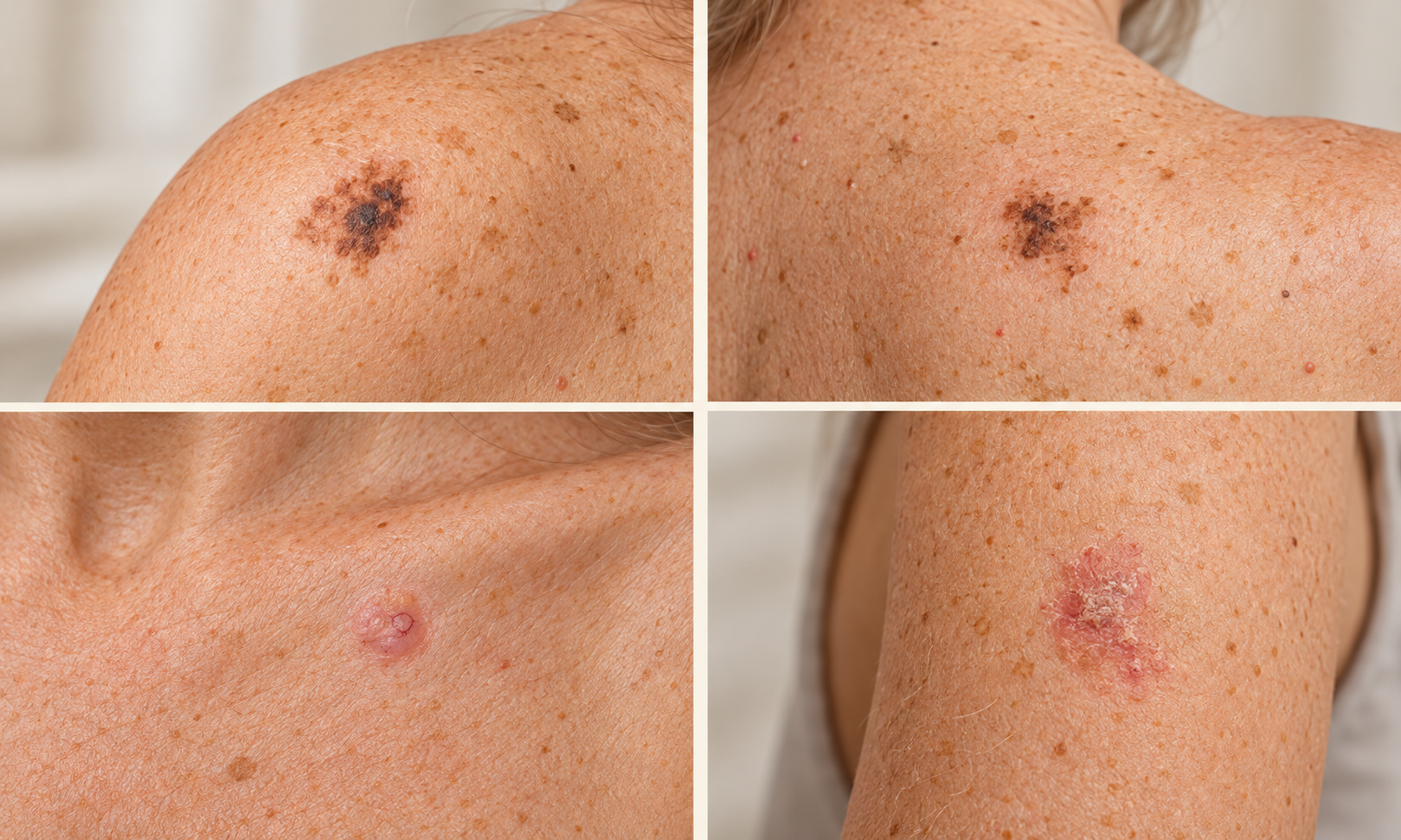
Skin cancer

  • Identifying the most common forms of skin cancer and their characteristics.

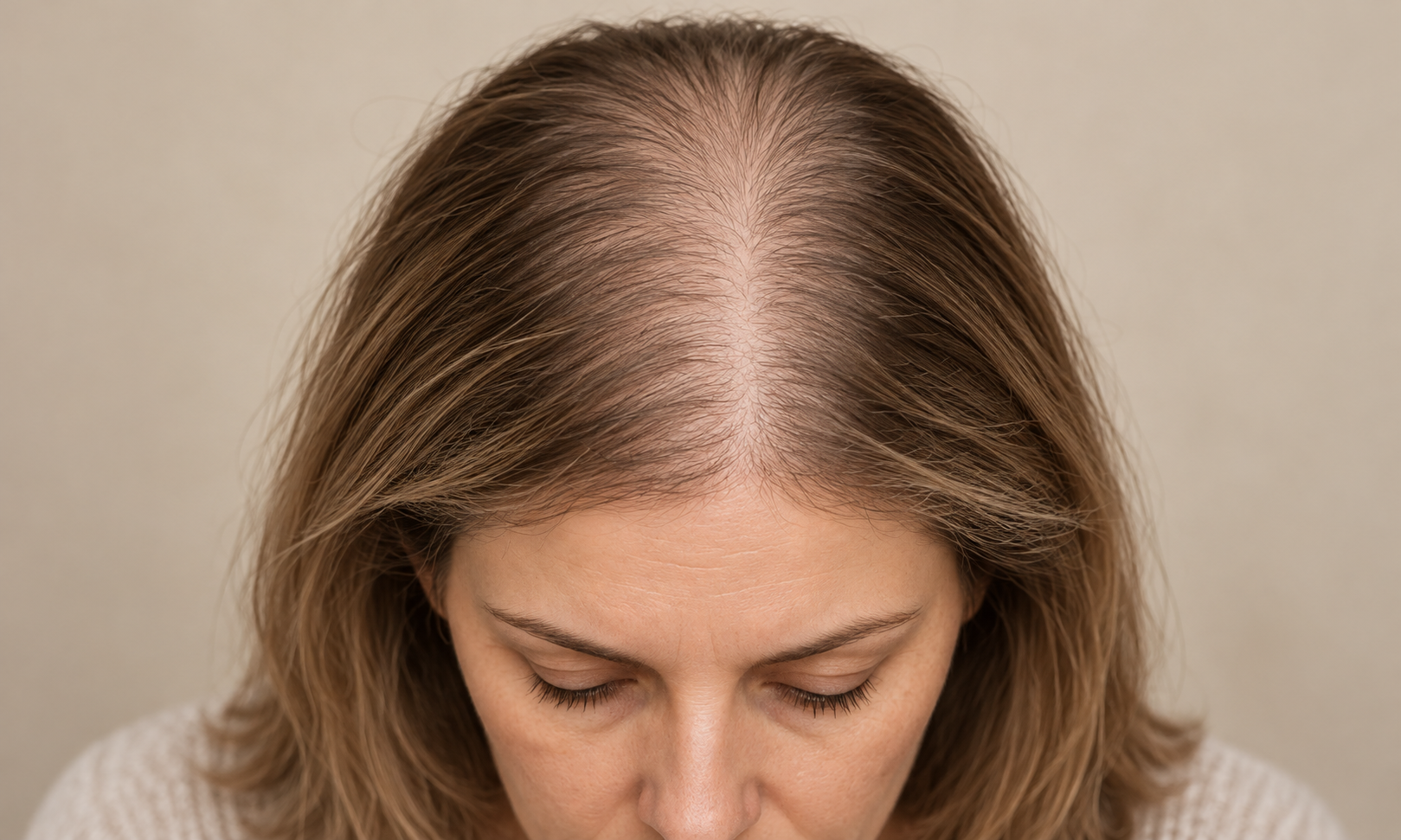
Hair and hair disorders

  • Understanding hair physiology and the hair growth cycle.

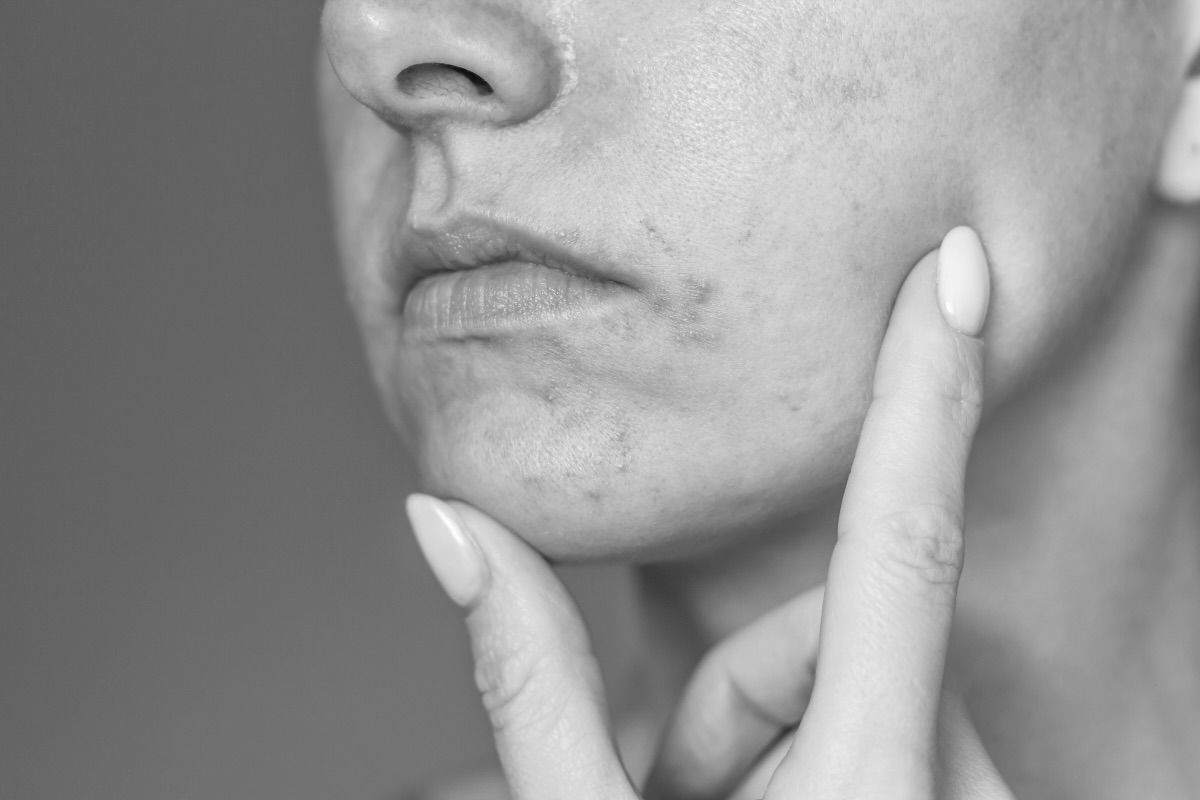
Acne

  • Understanding the pathophysiology of acne and its classification: mild, moderate, and severe.

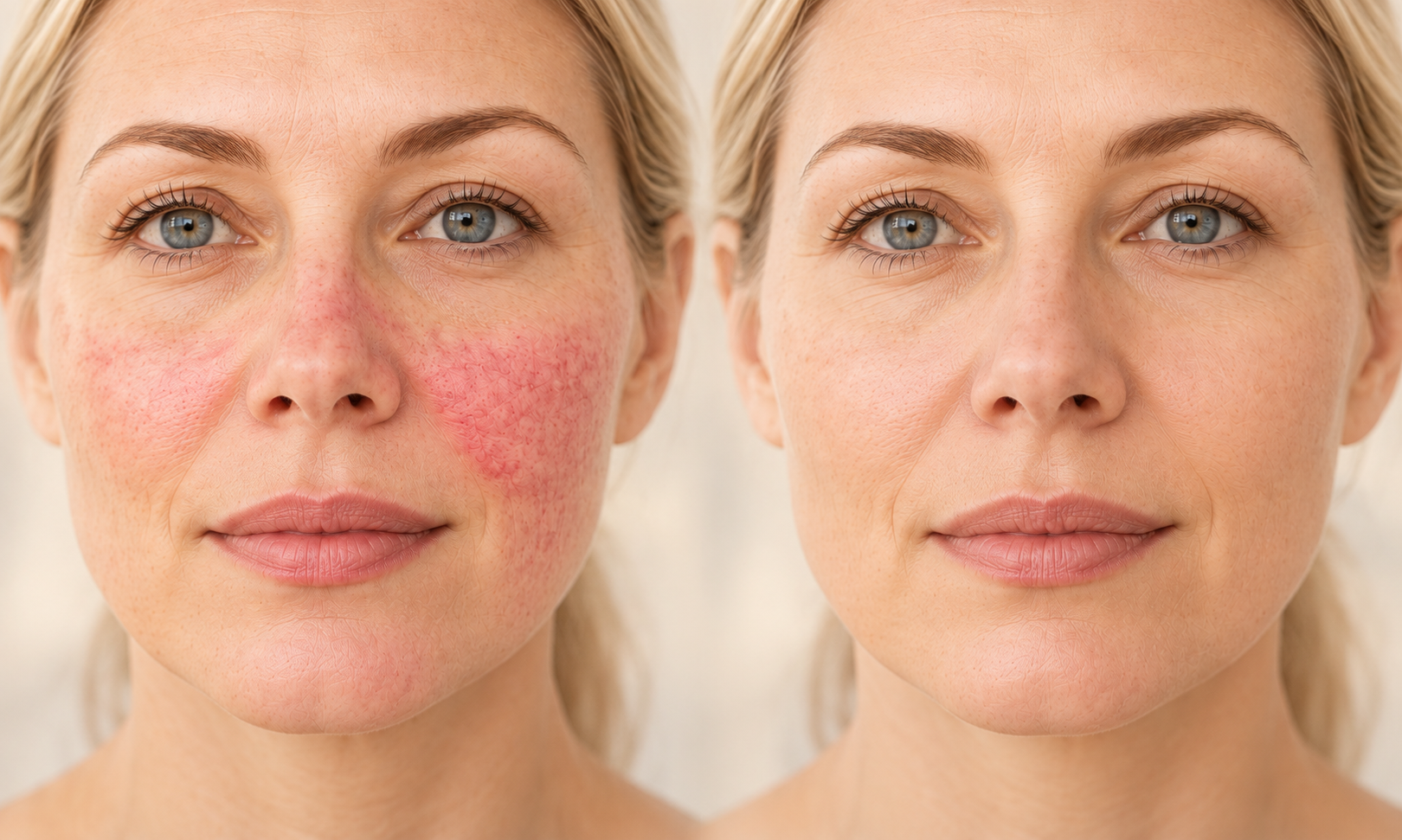
Rosacea

  • Understanding the subtypes of rosacea and their distinct characteristics.

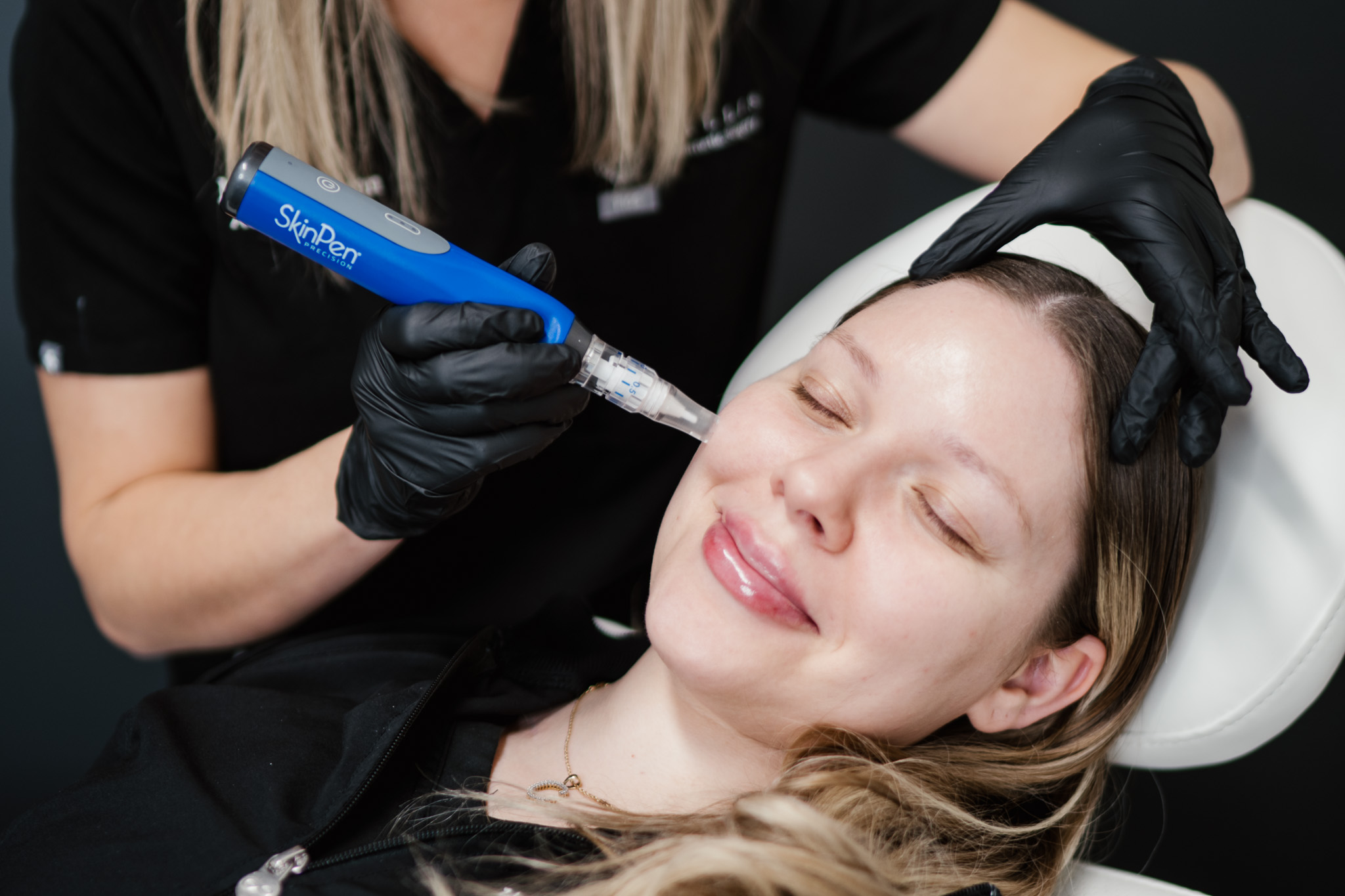
Microneedling

  • Applying appropriate technique, needle depth, and treatment protocols tailored to different skin concerns.
  • Understanding the physiological effects of microneedling on skin structure and regeneration.
  • Assessing indications and contraindications for microneedling.

Mesotherapy

  • Explain the principles of mesotherapy, including mechanisms of action, indications, and contraindications.
  • Identify various types of mesotherapy products—such as vitamins, peptides, and hyaluronic acid—and understand their functions and areas of application.
  • Perform safe and correct treatment protocols, including preparation, technique, and post-treatment care.
  • Recognise the different techniques and treatment methods where mesotherapy is applied.
  • Understand potential side effects and complications, and manage them in accordance with established clinical procedures.

Additional Information

The programme is subject to continuous evaluation to ensure the highest academic and clinical standards. Students are expected to actively participate in evaluations, meetings, and feedback processes to contribute to the ongoing development and quality of the programme.

Please note that course content may be subject to change.

Included Courses

Shopping Basket
Scroll to Top