

 Botulinum Toxin: Science, Safety & Clinical Practice – Module 3

Doctors entering aesthetic medicine
Doctors entering aesthetic medicine
Scientific foundation for safe, precise dermal filler treatments
From professionals who have completed the foundation module.
“Botulinum toxin looks simple until a patient comes back with a result you did not intend. Understanding the muscle, the dose and the diffusion is what separates a predictable outcome from a lucky one.”
“Every injector should be able to recognise a vascular event and act on it within minutes. We teach the anatomy and the technique, but we also teach what to do on the worst day of your clinical career.”
“Regenerative treatments ask a different question than fillers do. Not what shape do I want today, but what tissue quality am I building over the next two years. Practitioners who make that shift get better long-term results and far fewer surprises.”

This course is for licensed healthcare professionals who want to gain foundational competence in aesthetic neurotoxin treatments. No prior experience with botulinum toxin is required.
Doctors entering aesthetic medicine
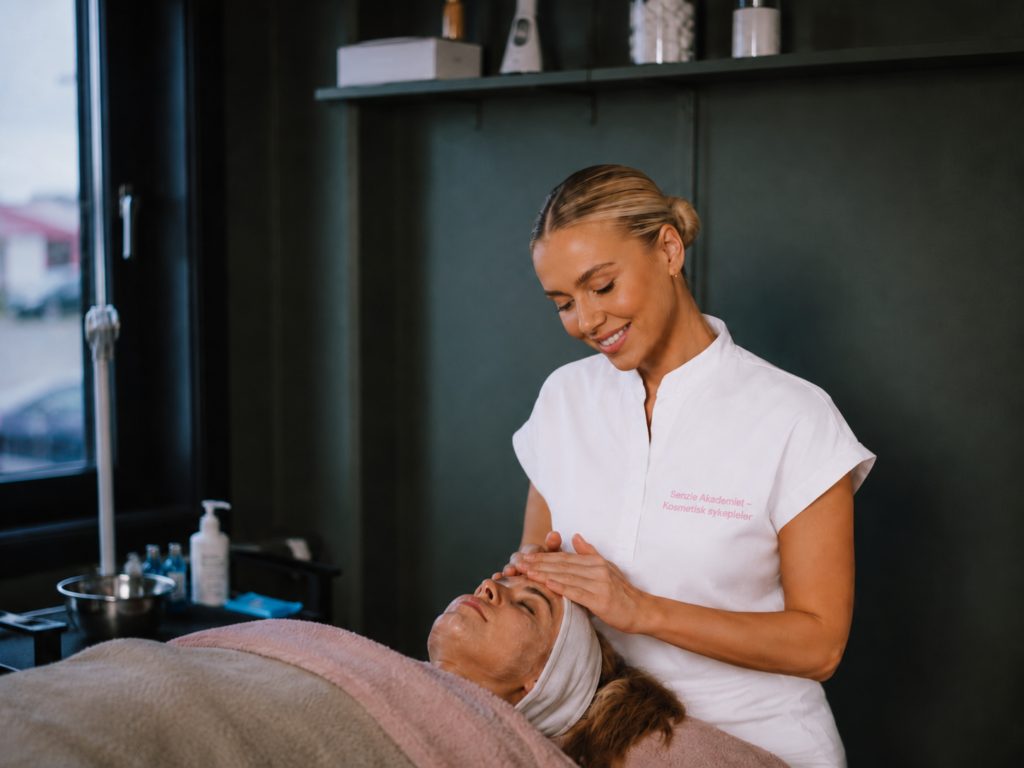
Registered nurses who want to specialise in dermatology and cosmetic skin treatments

Nurses starting dermal filler treatments
Dentists expanding into facial aesthetics
Practitioners seeking stronger safety awareness and product understanding
6 courses in skin science · 5 focused lectures · Assessment in every course · Immediate, long-term access
1 full day · Groups of 5 to 10 · Real models · Botulinum toxin · All equipment included
Online only: digital certificate. Practical day or full package: signed physical diploma, signed by industry-leading medical doctors, usable in your marketing.

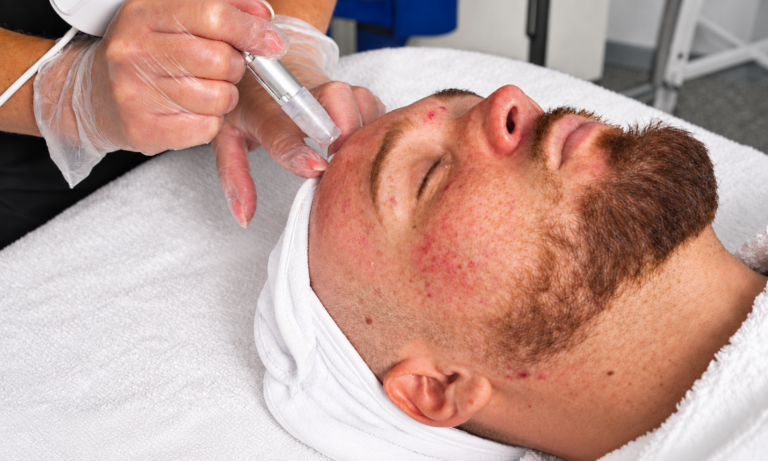
Participants study the pharmacology, mechanism of action and muscle response dynamics behind neuromodulation, with focus on Allergan products and evidence-based clinical protocols.
Botulinum toxin is not only wrinkle reduction. It is a precision tool for facial balance, emotional expression control and muscular relaxation, used with anatomical understanding and refined technique.
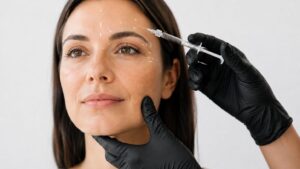
Personalized dosing across the full upper face, with treatment planning built on each patient’s muscle strength and expression pattern.
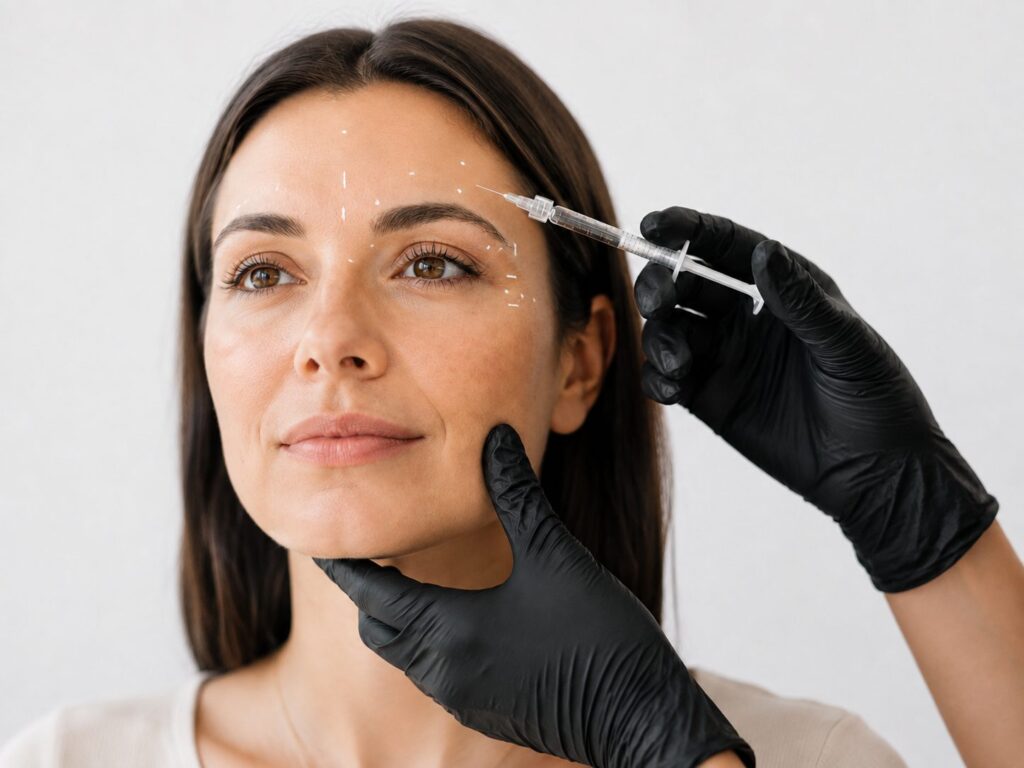
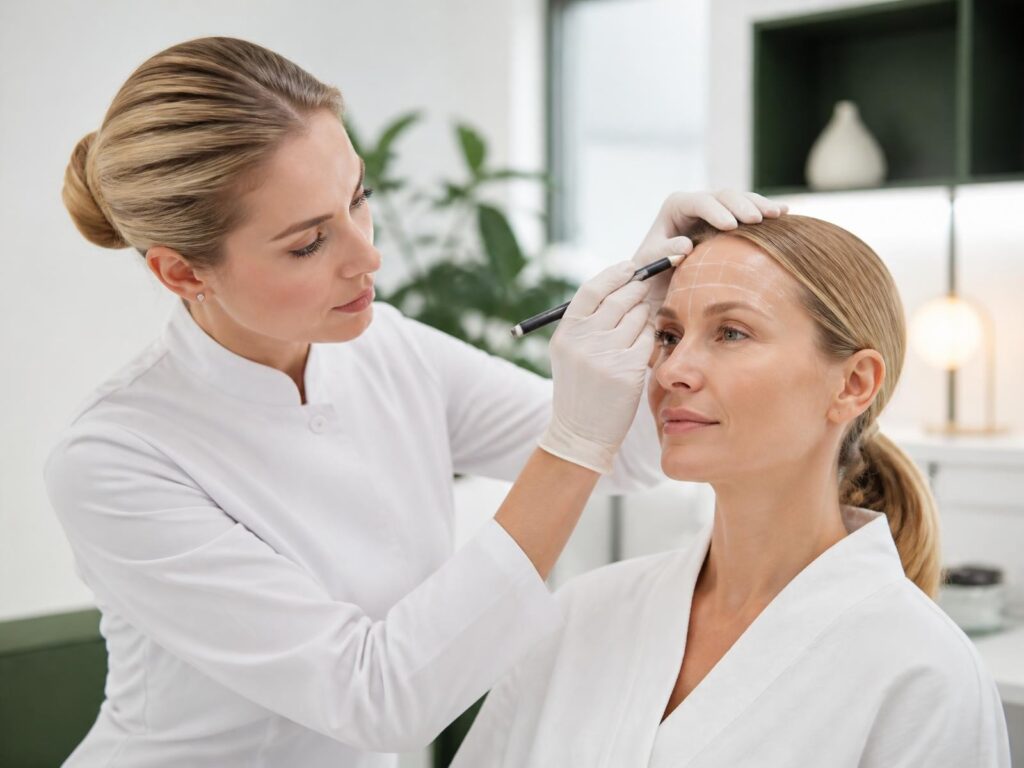
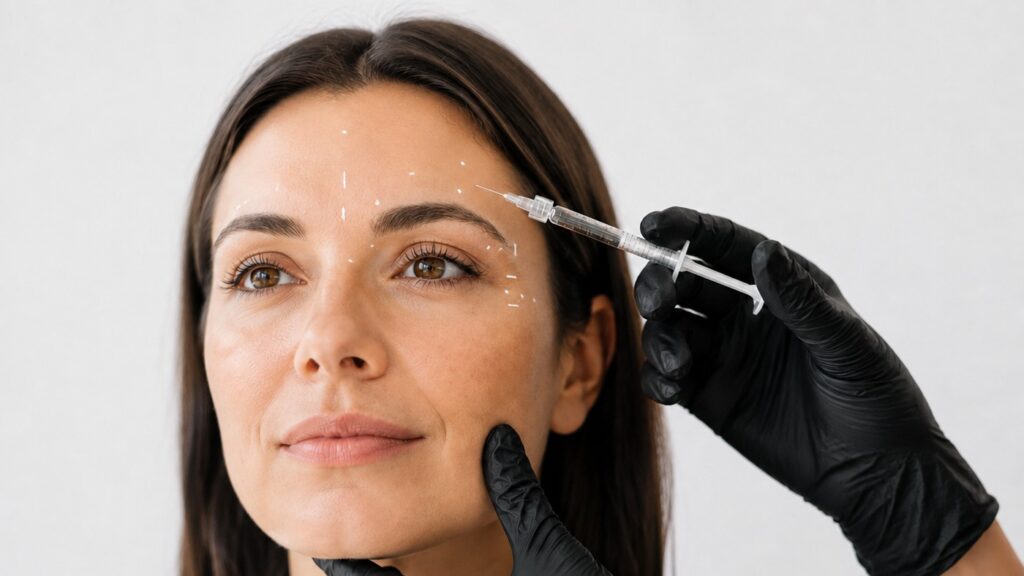
Muscle mapping of the three upper-face zones: frontalis for forehead lines, the glabellar complex for frown lines, and orbicularis oculi for crow’s feet.
Injection planes, customized dilution techniques and standard ranges, and how to plan for symmetry before the first injection.
How lid ptosis, brow asymmetry and toxin diffusion occur, and how to recognise them early.
Emergency and corrective protocols, covered in both the online theory and the practical training day.
How to restore facial harmony with anatomical precision, and how ethical dosing keeps results natural.
Toxin pharmacology, upper-face dosing, muscle mapping and complications
Assessments in each included course and a verifiable theory diploma.
Hands-on training includes one full clinical practice day. The training day covers.
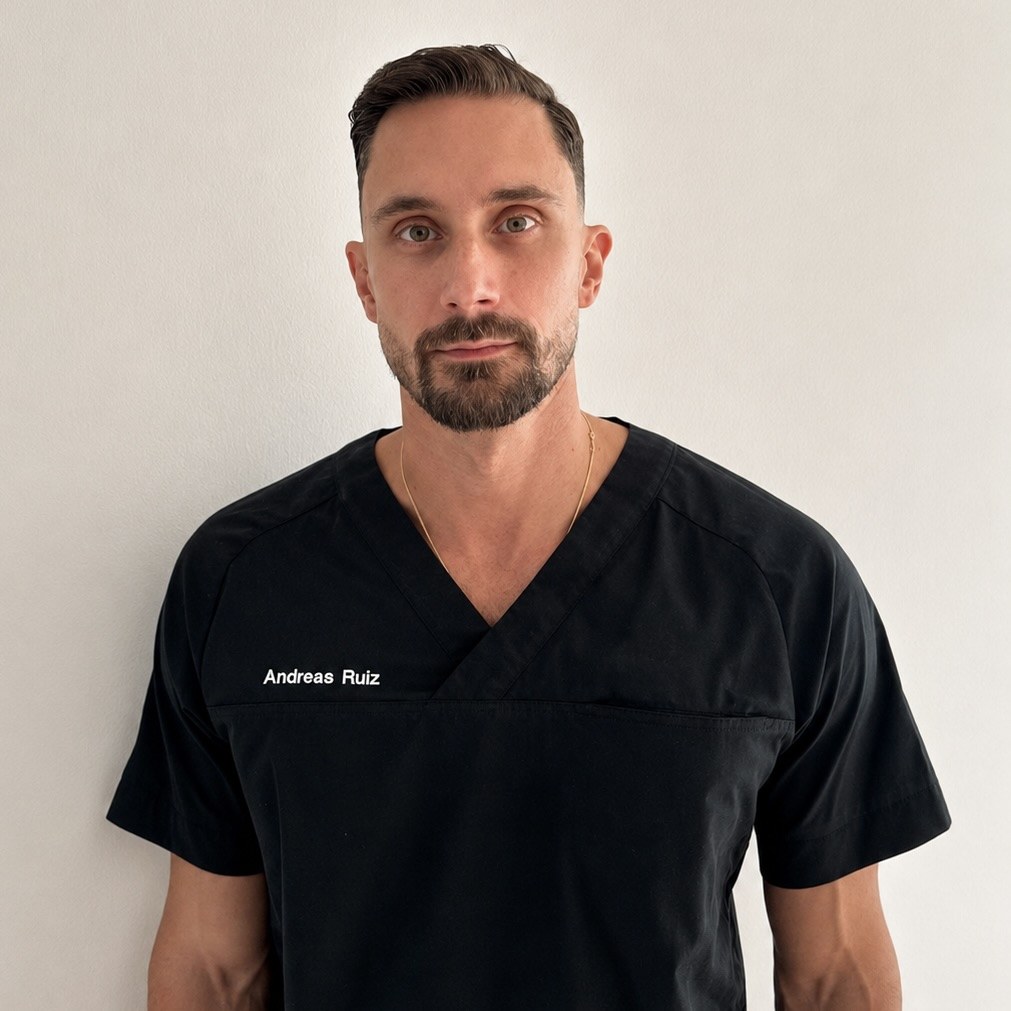
Dentist — Sweden & Denmark
Key facts
Dr. Andreas Ruiz is a licensed dentist educated at Karolinska Institutet in Stockholm, with extensive experience in oral surgery and medical dentistry. In addition to his dental background, he pursued further training in…
Read more about Andreas Ruiz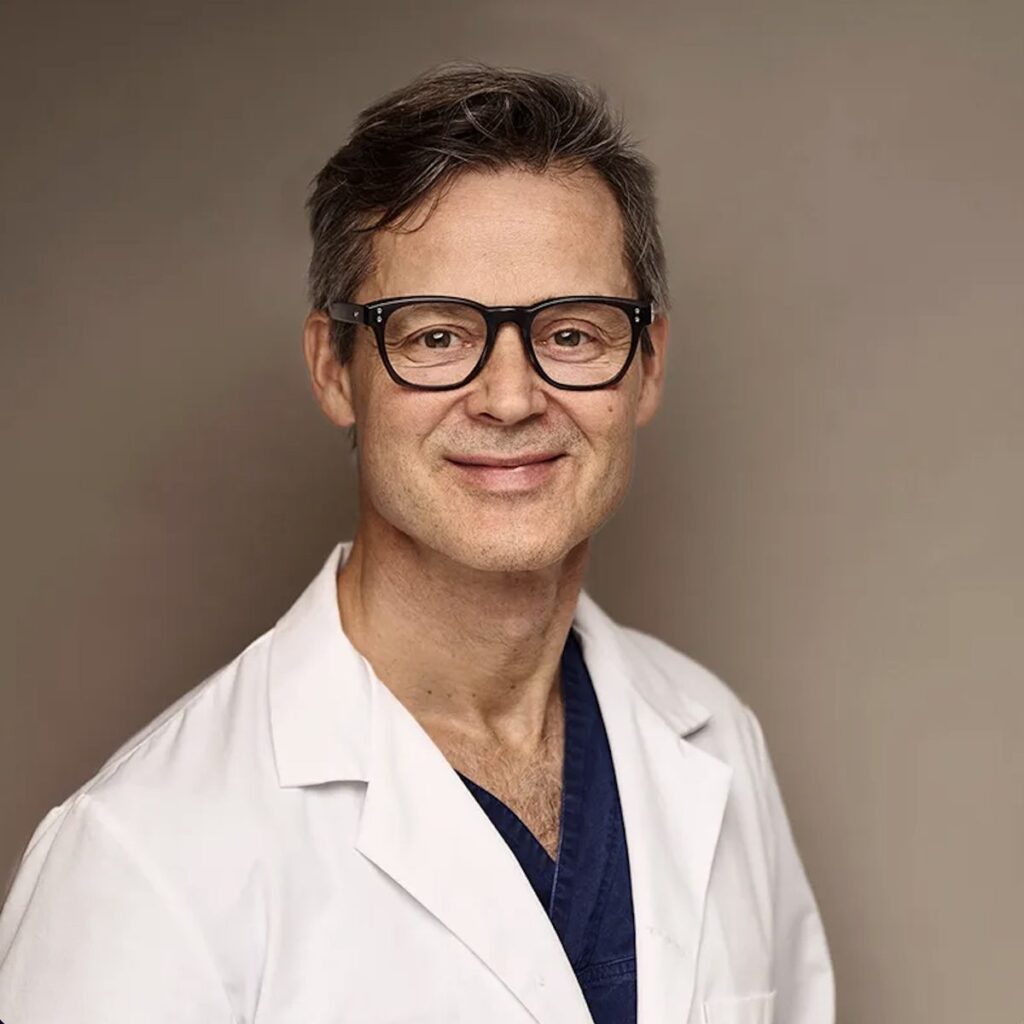
Plastic surgeon, anatomy lecturer — Norway
Key facts
Dr. Bjørn Tvedt is one of Norway’s leading specialists in plastic surgery and ear, nose and throat surgery, and is among the very few physicians in the country holding dual specialization within these fields. He is inter…
Read more about Bjørn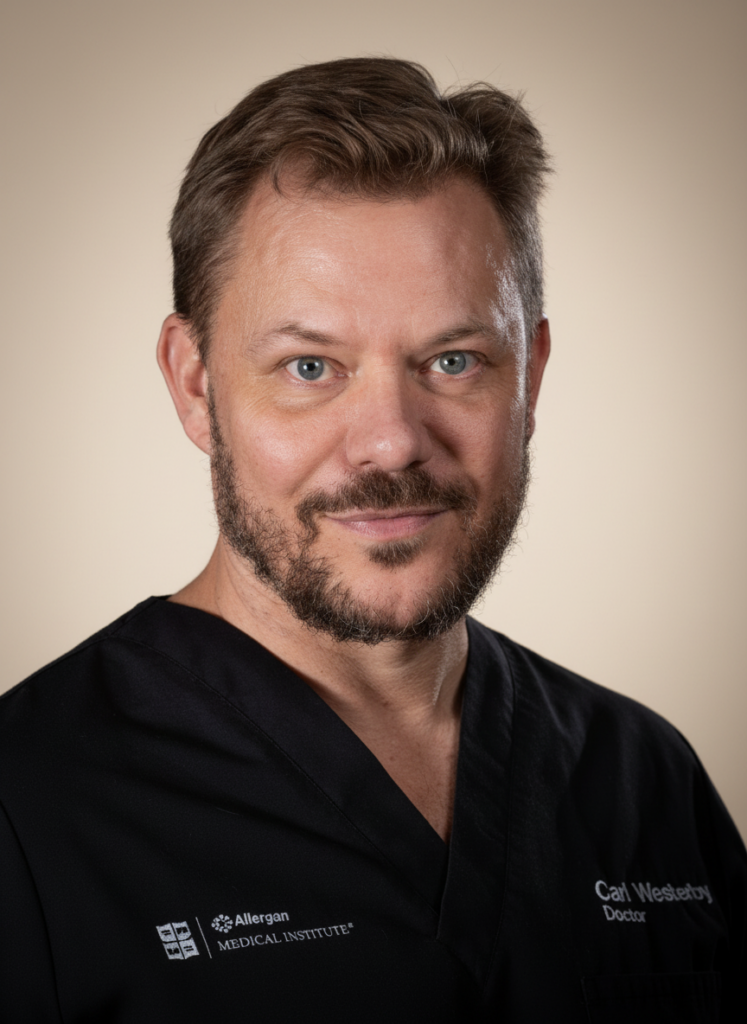
Dr. Carl Westerby is a Swedish physician and specialist in aesthetic medicine with over 15 years of combined experience in general medicine and advanced aesthetic practice. He holds a medical degree from the…
Read more about Carl
Dr. Jesper Thulesen is a renowned oculoplastic surgeon and specialist, holding a PhD and European board certification in ophthalmology (FEBO). He has extensive experience in both cosmetic and reconstructive procedures of…
Read more about Jesper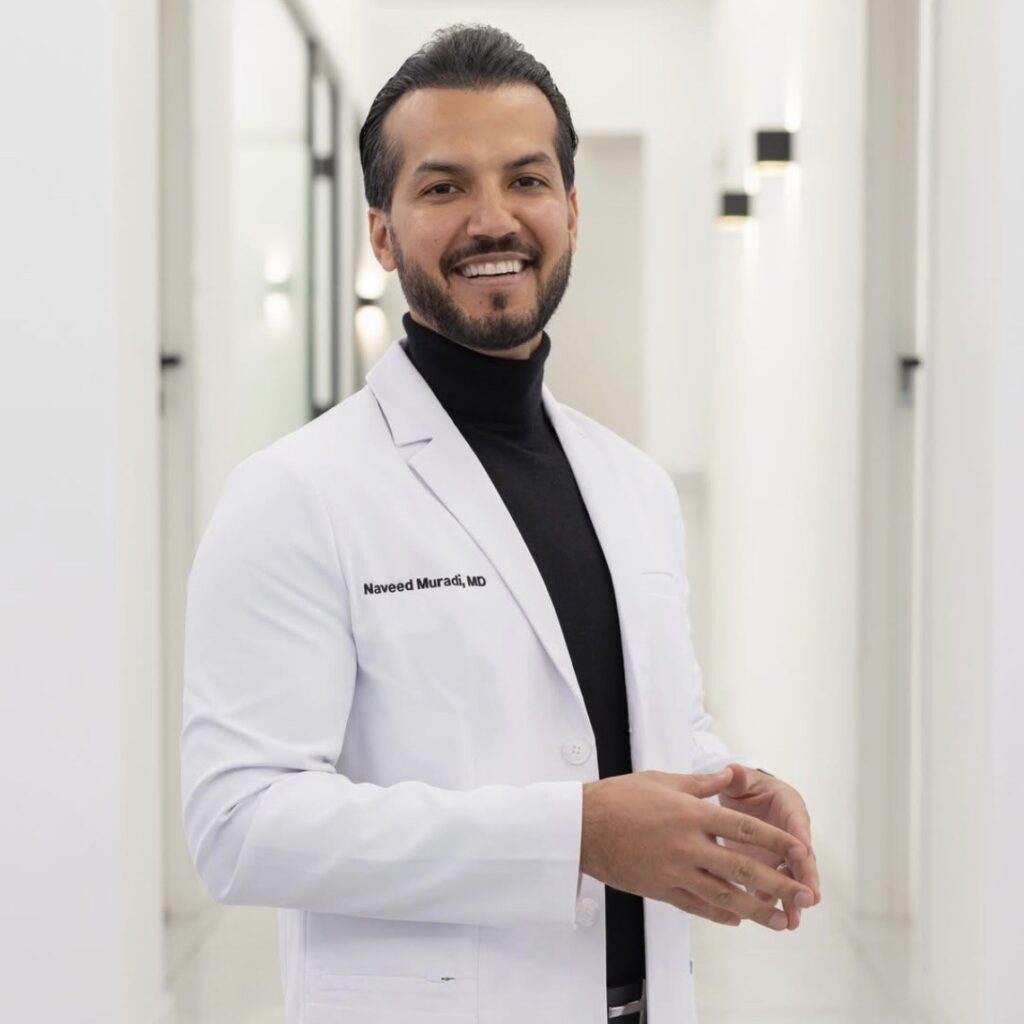
Aesthetic doctor, Founder — Norway
Key facts
Naveed is a medical doctor educated at Vilnius University, Lithuania, with over 14 years of experience in medical and aesthetic practice. He has performed more than 60,000 aesthetic and medical treatments, making hi…
Read more about Naveed
Physician, complications specialist — Netherlands
Key facts
Dr. Tom S. Decates is an internationally recognized expert in non-surgical aesthetic medicine, based in the Netherlands. As a cosmetic physician (KNMG, MD, PhD), he is particularly sought after for his expertise in injec…
Read more about TomChoose online theory alone, or theory with hands-on training.
| What's included | Bought separately | In this module |
|---|---|---|
| Botulinum Toxin: Science, Safety & Clinical Practice – Module 3 Andreas Ruiz, DDS | €2 500 | Included |
| Facial Anatomy for the Modern Aesthetic Practitioner Dr. Bjørn Tvedt | €500 | Included |
| Regenerative treatments: Biostimulators & Skinboosters – Module 2 Andreas Ruiz, DDS | €1 000 | Included |
| Total if purchased separately | €4 000 | All included |
Still unsure? Reach out and we will guide you to the right starting point.
No, we have adapted the course for both those who are experienced in skincare treatments and those who have no experience.
Yes. Upgrade is available after passing the online theory.
Upon completion, you receive certification from Nordic Aesthetics Academy confirming your theoretical and/or supervised practical training.
However, it is your personal responsibility to ensure that your educational background and professional status allow you to legally perform specific treatments in your country of practice. Regulations vary between jurisdictions.
For hands-on training, participants must provide valid documentation confirming that their background permits them to perform the relevant treatments in the country where the training takes place. NAA ensures compliance during official training days but cannot assume responsibility for how treatments are performed after completion in your home country.
If you are unsure about your eligibility, we are happy to guide you via email at info@na.academy.se before enrolment.
Online theory may be purchased by anyone interested in the knowledge itself, regardless of professional background.
Each included course contains multiple-choice assessments.
If you do not pass on the first attempt, you may retake the test.
The questions vary between attempts, but the required knowledge standard remains the same. The purpose is mastery — not gatekeeping.
The structure ensures that you genuinely understand the material before progressing to hands-on training.
Hands-on training consists of five full practical days (approximately 6–7 hours per day).
Each day focuses on one treatment theme and includes:
Training takes place in carefully selected clinical facilities and is designed to maximize individual attention and quality of learning.
Professional follow-up is provided after training.
Groups are intentionally kept small, typically between 4–10 participants depending on the treatment theme.
This ensures close supervision, individual feedback, and a structured learning environment.
Hands-on training is held in selected countries and clinical locations organized by NAA.
Participants receive full location details before confirming enrolment. NAA also collaborates with selected partners to provide accommodation recommendations and practical travel guidance.
You receive long-term access to the online learning platform, including:
This allows you to revisit and refresh your knowledge whenever needed.
The online theory is fully self-paced. You may begin immediately after enrolment.
1:1 sessions with the instructor can be booked flexibly.
Live group meetings and hands-on training days are scheduled on fixed dates communicated after enrolment.
As a participant, you receive:
Support remains available beyond completion.
Yes.
A deeper understanding of skin biology, inflammation, pigmentation, hormonal influences, and product science enables you to:
Practitioners who master skin assessment often see improved outcomes, stronger patient trust, and higher long-term profitability.
Botulinum Toxin: Science, Safety & Clinical Practice – Module 3