

 Facial Assessment, Product Selection & Injection Strategy
€580
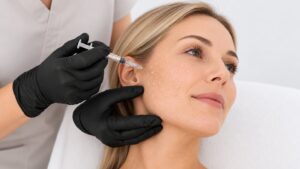
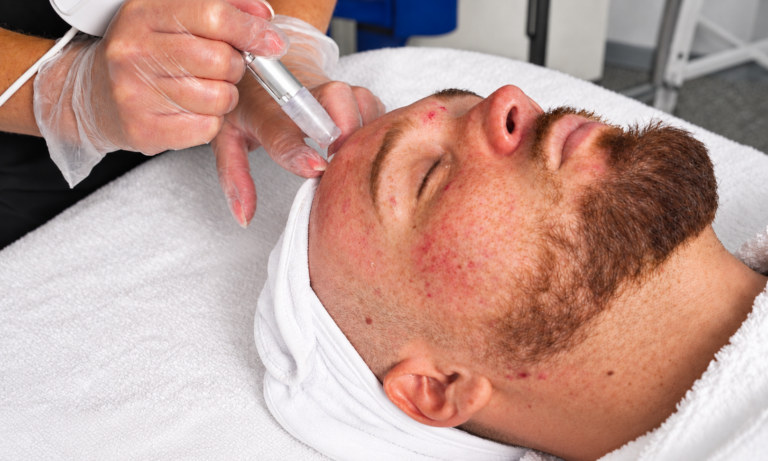
Develop a structured approach to facial assessment, product selection, and treatment planning for dermal fillers.

From professionals who have completed the foundation module.
“Botulinum toxin looks simple until a patient comes back with a result you did not intend. Understanding the muscle, the dose and the diffusion is what separates a predictable outcome from a lucky one.”

“Every injector should be able to recognise a vascular event and act on it within minutes. We teach the anatomy and the technique, but we also teach what to do on the worst day of your clinical career.”

“Regenerative treatments ask a different question than fillers do. Not what shape do I want today, but what tissue quality am I building over the next two years. Practitioners who make that shift get better long-term results and far fewer surprises.”

Most complications and poor results in filler treatments originate from incorrect assessment and product selection, not injection technique. Without a structured framework, practitioners rely on guesswork, trends, or isolated protocols that fail across different patients. Understanding anatomy, tissue behavior, and product properties before injection allows you to: Standardize decisions Reduce complication risk Improve long-term treatment outcomes This knowledge is required before performing safe and defensible filler treatments.

Doctors entering aesthetic medicine
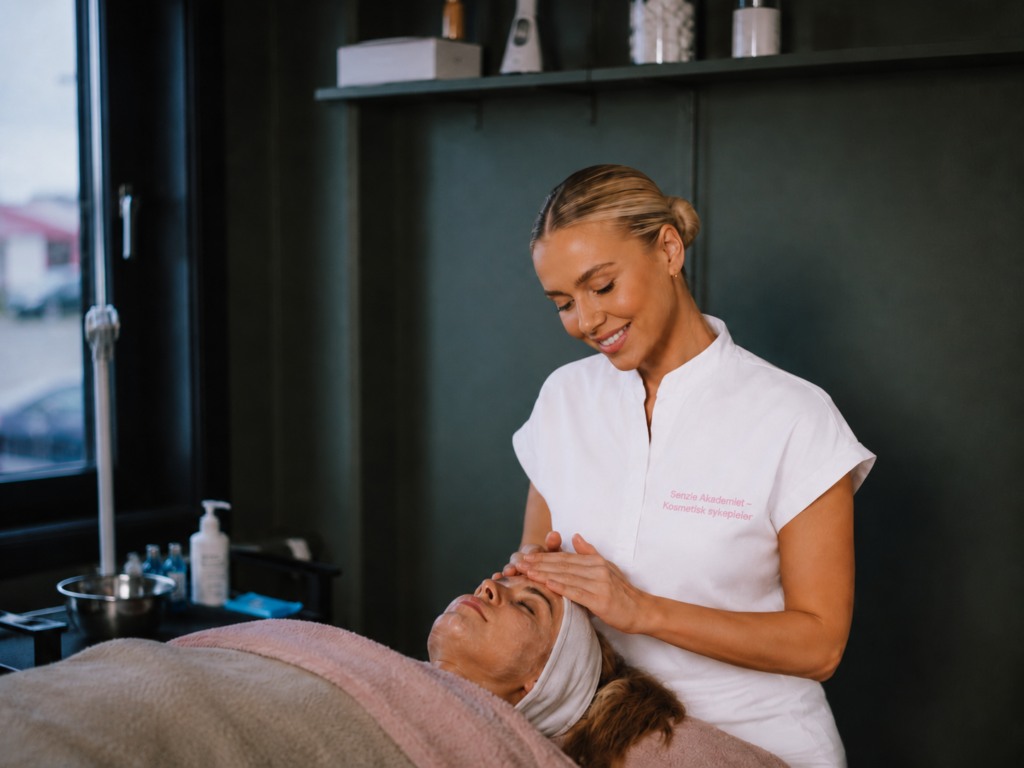
Registered nurses who want to specialise in dermatology and cosmetic skin treatments

Nurses starting dermal filler treatments
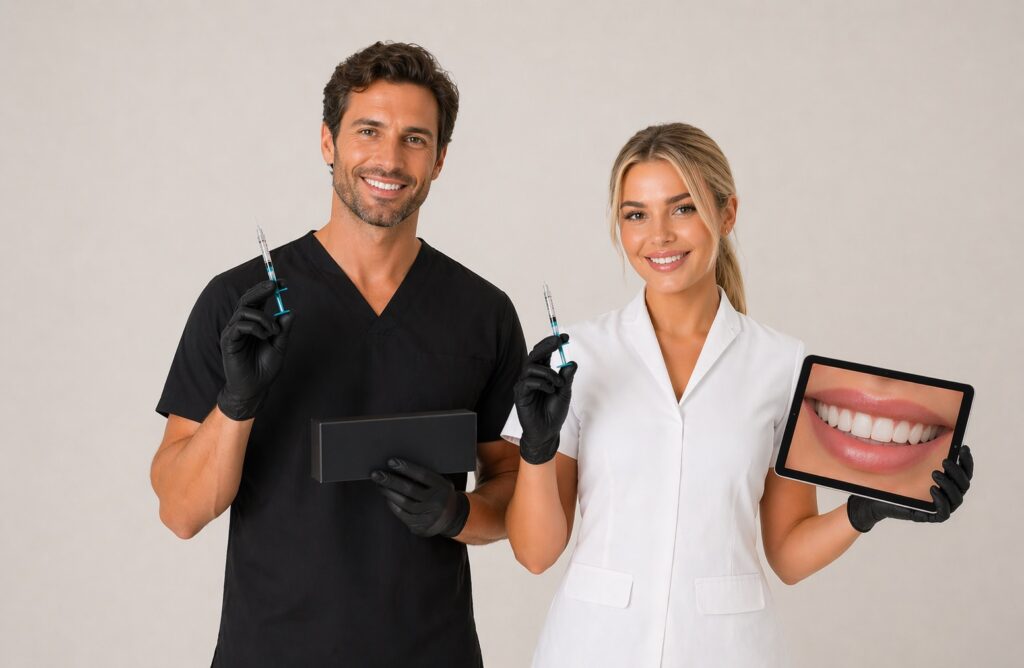
Dentists expanding into facial aesthetics
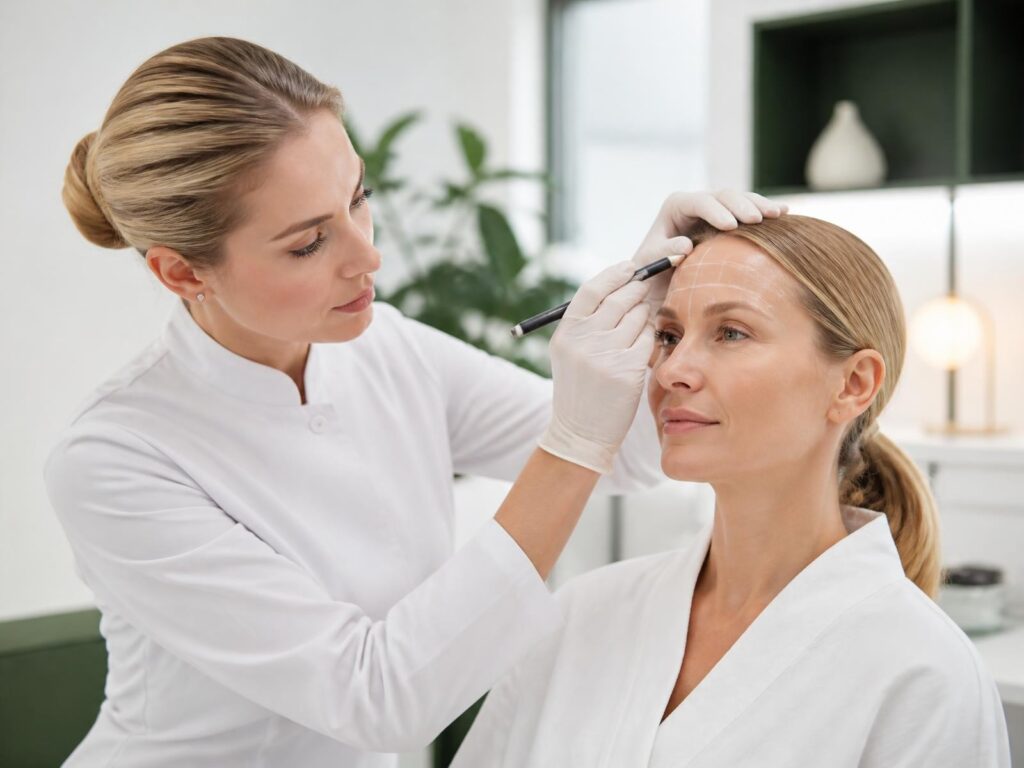
Practitioners seeking stronger safety awareness and product understanding
1 course in skin science · Assessment in every course · Immediate, long-term access

Theory diploma when every assessment is passed, and a separate hands-on diploma. Counts towards the full NAA certification pathway.

Structured online lectures you can revisit at any time.
Assessments in each included course and a verifiable theory diploma.
This course is part of the theoretical foundation required before hands-on training. After completing the course and passing the test, you can attend supervised filler training. Hands-on training includes.

Aesthetic doctor, Founder — Norway
Key facts
Naveed is a medical doctor educated at Vilnius University, Lithuania, with over 14 years of experience in medical and aesthetic practice. He has performed more than 60,000 aesthetic and medical treatments, making hi…
Read more about NaveedChoose online theory alone, or theory with hands-on training.
Still unsure? Reach out and we will guide you to the right starting point.
Yes, this is a fully online theoretical course
No, we have adapted the course for both those who are experienced in skincare treatments and those who have no experience.
Yes. Upgrade is available after passing the online theory.
Yes for theory, but hands-on training requires medical licensure.
Yes, after completing the course and passing the test.
You receive long-term access to the online learning platform, including:
This allows you to revisit and refresh your knowledge whenever needed.
The online theory is fully self-paced. You may begin immediately after enrolment.
1:1 sessions with the instructor can be booked flexibly.
Live group meetings and hands-on training days are scheduled on fixed dates communicated after enrolment.
No.
Live group sessions, 1:1 academic meetings, and hands-on training are additional opportunities included in the program but are not mandatory for theoretical completion.
Facial Assessment, Product Selection & Injection Strategy