
Skin Anatomy & Physiology: Classification of Skin Types and Conditions

600 

Make safer, more precise skin treatment decisions through anatomy-first clinical reasoning.

For those committed to becoming highly skilled practitioners in skin, cosmetic, and injectable treatments.

  • Lectures, tests, and expert-led teaching
  • Clinical frameworks and decision tools
  • Diploma and hands-on eligibility

This course is part of the following package(s):

Included Courses

Skin types & Skin Conditions Demos

Classification of Skin Types and Conditions

Skin Anatomy & Physiology: Classification of Skin Types and Conditions

Description

What is this Course:

This course provides a structured, clinically relevant foundation in the anatomy and physiology of the skin. It connects skin structure and core physiological processes to real-world decision-making across assessment, treatment planning, aftercare, and risk management.

You will be guided through the epidermis, dermis, and subcutis, and learn how these layers function together to maintain barrier integrity, hydration, immune defence, pigmentation control, and connective tissue quality.

Who Is this course for?

This course is designed for practitioners who:

  • Work with skin, aesthetic treatments, or cosmetic procedures and want a stronger scientific foundation
  • Want to improve the precision of skin assessment and treatment selection
  • Need a clear, structured baseline before progressing to skin types and skin conditions training
  • Want to communicate more clearly and confidently with clients using evidence-aligned explanations
Why this course is important

In aesthetic and cosmetic practice, results and safety depend on more than technique. They depend on choosing the right approach for the right skin at the right time, and understanding what the tissue can tolerate.

When anatomy and physiology are unclear, practitioners are more likely to misread skin presentations, apply the wrong modality or intensity, and underestimate recovery needs. This increases the risk of avoidable complications and inconsistent outcomes.

This course helps you build a stable baseline so later training in skin types, conditions, and clinical treatments rests on accurate structure-function reasoning.
What you’ll learn
  • Describe the structure and functions of the epidermis, dermis, and subcutis
  • Classification of Skin Types and Conditions
  • Explain keratinocyte differentiation from stratum basale to stratum corneum
  • Identify key skin cells and their clinical relevance (keratinocytes, melanocytes, fibroblasts, Langerhans cells)
  • Connect collagen, elastin, hyaluronic acid, and glycosaminoglycans to dermal tissue quality and ageing
  • Explain Natural Moisturising Factor (NMF), lipid barrier function, and transepidermal water loss (TEWL)
  • Apply anatomy-first reasoning to select safer, more appropriate treatments and aftercare
  • Distinction between skin type and skin condition.
  • The most common skin types (dry, oily, combination, normal, and sensitive) and conditions such as dehydration, sensitization, aging, pigmentation disorders, and acne.
  • Insight into how factors such as diet, stress, sleep, medications, and environment influence the skin.
  • Knowledge on how to integrate this information into treatment planning and product selection.
  • Use of the Fitzpatrick scale.
  • Combination of this information into a complete clinical picture.
Course Structure
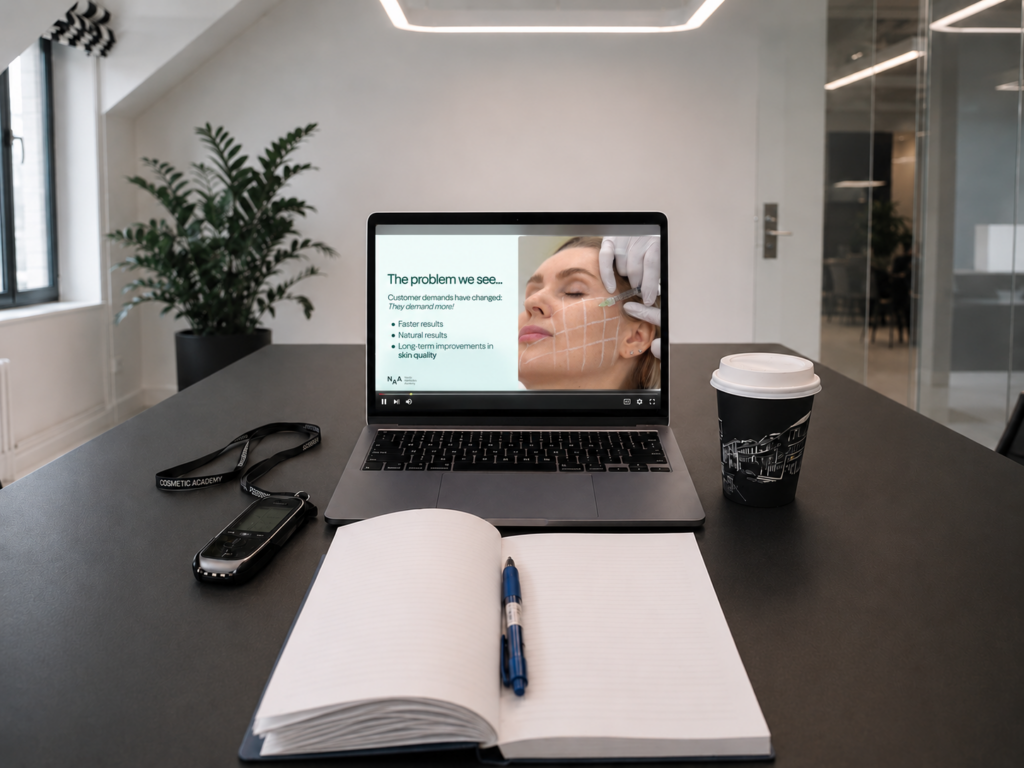
  • Video lecture: guided review of skin anatomy, physiology, and clinically relevant mechanisms
  • PPT presentation: structured slides for revision and reference
  • Supplementary resources: learning support materials for continued use in practice
  • Source list: references supporting key definitions and concepts
  • Final test: confirms understanding of core content and terminology
After completing this course, you will be able to:
  • Assess skin conditions with greater precision using layer-based reasoning
  • Explain how key physiological processes influence treatment response and recovery (inflammation, wound healing, pigmentation, collagen remodelling)
  • Identify the role of key skin cells and structures in clinical outcomes (keratinocytes, melanocytes, fibroblasts, Langerhans cells)
  • Recognise barrier compromise and TEWL-related risk patterns, and adjust recommendations accordingly
  • Select more appropriate treatments and ingredients by matching mechanism, target depth, and tissue tolerance
  • Communicate treatment rationale and aftercare guidance more clearly using evidence-aligned explanations

Structure, Certification & Hands-on-Training:

What this course gives you
  • A clear, layer-by-layer framework for understanding how skin functions and responds to treatment
  • A clinically relevant understanding of key cells, structures, and processes that shape outcomes
  • Stronger decision-making around treatment selection and aftercare planning
  • A shared language for explaining skin conditions, barrier status, and expected recovery patterns
  • A foundation that supports safer, more defensible recommendations in practice
Hands-on Training

Hands-on training: Not included

What this means: This course focuses on clinical understanding and decision-making foundations through lecture-based learning, supported by resources and a final test.

Who This Course Is Not For

This course may not be the right fit if you:

  • Are looking for a procedure-focused, hands-on training course
  • Want advanced condition management without first building a foundation in skin anatomy and physiology
  • Need formal diagnostic training for medical dermatology (this course supports reasoning, but is not a diagnostic qualification)
Educational Resources & Tools
  • Video lecture
  • PPT presentation
  • Supplementary learning resources
  • Source list (references)
  • Final test for knowledge validation
Clinical Application

After completing this course, you can apply the content to:

  • Improve assessment accuracy by linking observed signs to barrier function and layer-specific physiology
  • Make more targeted treatment and ingredient choices based on plausible tissue interaction
  • Anticipate recovery needs and guide aftercare using TEWL and barrier restoration principles
  • Communicate clearly with clients using structured, evidence-aligned explanations
Safety & Professional Standard

The course emphasises patient safety through:

  • Anatomy-based risk awareness (depth, target structures, tissue tolerance)
  • Understanding inflammation and wound healing as drivers of outcomes and complications
  • Barrier integrity and TEWL principles for safer post-treatment guidance
  • Recognition of common complication pathways linked to inappropriate treatment choices
What happens after you purchase the course?
  • Immediate access to all online lectures
  • Support from our team
  • Structured theory lectures and demo videos
  • Multiple choice assessments in each included course
  • Access to live group meetings
  • 1:1 digital meeting with academic instructor
  • Downloadable resources
  • You study at your own pace.

FAQ – Common Questions

Do I need prior experience?

No, the course is designed for beginners and does not require prior experience.

Is this course suitable as a first step?

Yes. It is a foundational course and a prerequisite for later modules on skin types and skin conditions.

How will this help my clinical results?

It strengthens the reasoning behind assessment, treatment selection, and aftercare by clarifying layer-specific structure and physiological response.

Is hands-on training included?

No. This course is lecture-based and includes a final test, resources, a PPT presentation, and a source list.

Is this enough to start treating?

No, this course provides theoretical understanding and does not qualify you to perform treatments independently.

Do I receive a diploma?

Yes, a digital diploma is provided upon successful completion.

How long do I have access?

You receive immediate access, with ongoing availability according to NAA platform terms.

Invest in your future

Take the first step towards mastering aesthetic medicine.
Get professional advice to excel in your education.

Lecturer

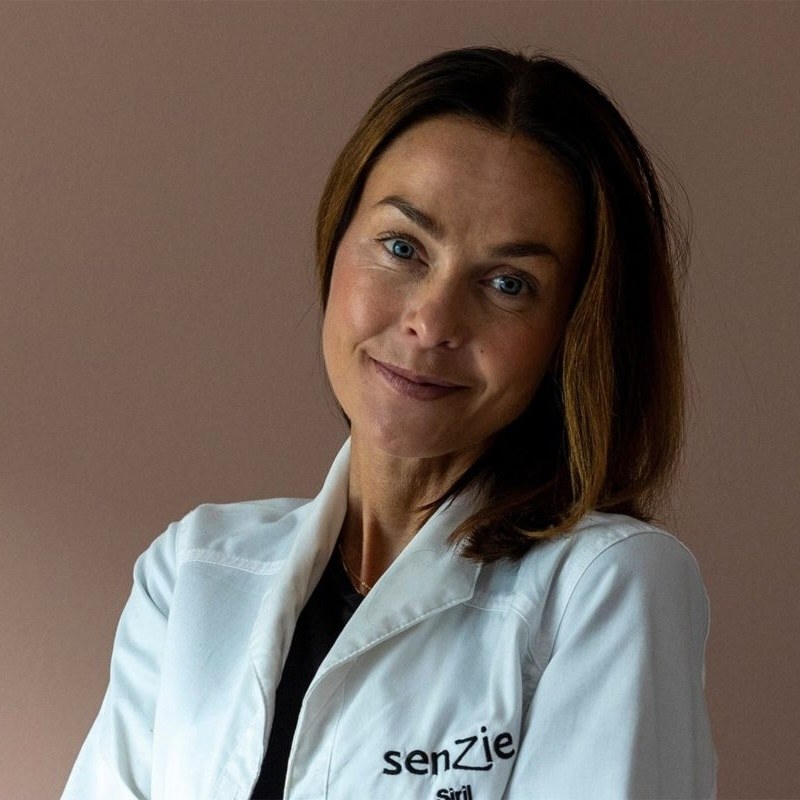
Siril Engh Gundersen

Siril Engh Gundersen is a licensed skin therapist with more than 20 years of experience in dermatological treatments, clinical work, and professional education, having taught at Senzie Akademiet and led advanced training programs for several leading brands and clinics, where she combines deep theoretical knowledge with practical, treatment-oriented insight.

Read more
Shopping Basket
Skin Anatomy & Physiology: Classification of Skin Types and ConditionsSkin Anatomy & Physiology: Classification of Skin Types and Conditions
600 Add to cart
Scroll to Top