
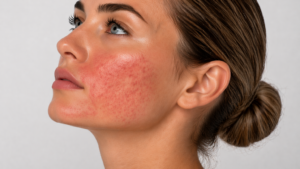
 Inflammatory skin disorders – Acne, Perioral Dermatitis and Rosacea
€450Add to cart
Master the diagnosis and management of perioral dermatitis and rosacea – including treatment, triggers, and safe aesthetics.
From professionals who have completed the foundation module.
“Botulinum toxin looks simple until a patient comes back with a result you did not intend. Understanding the muscle, the dose and the diffusion is what separates a predictable outcome from a lucky one.”
“Every injector should be able to recognise a vascular event and act on it within minutes. We teach the anatomy and the technique, but we also teach what to do on the worst day of your clinical career.”
“Regenerative treatments ask a different question than fillers do. Not what shape do I want today, but what tissue quality am I building over the next two years. Practitioners who make that shift get better long-term results and far fewer surprises.”

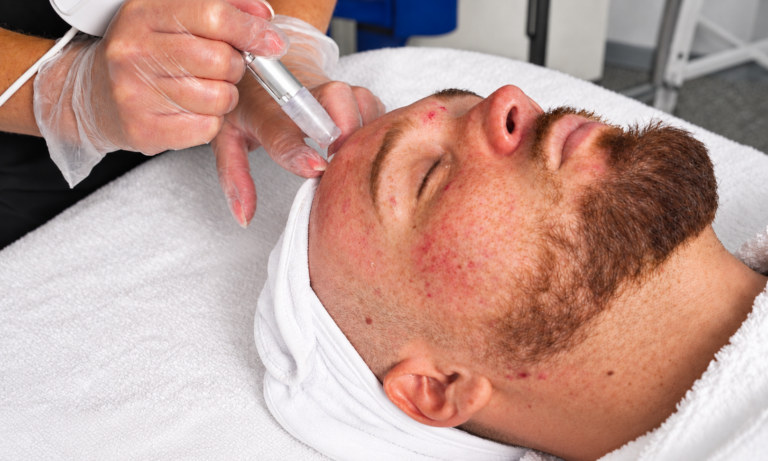
Perioral dermatitis and rosacea are frequently encountered in aesthetic practice – yet often misdiagnosed or mistreated. Both conditions require a nuanced understanding of pathophysiology, safe treatment strategies, and patient communication. This course empowers you to provide knowledgeable care, prevent complications, and integrate skin health with aesthetic planning.
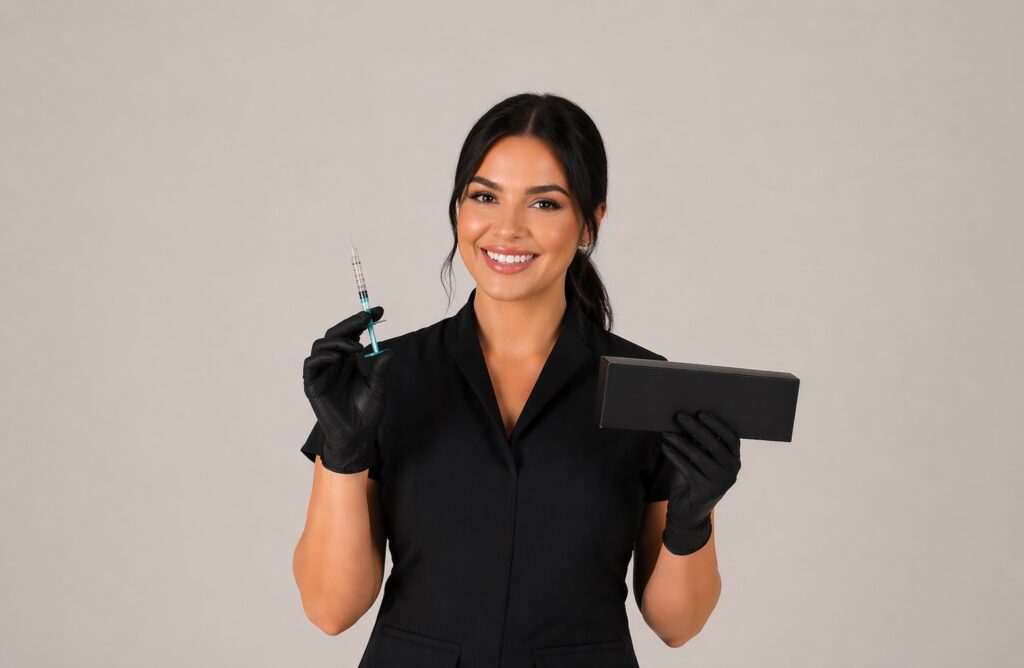
Cosmetic nurses and aesthetic professionals who want to deepen their clinical understanding of inflammatory skin conditions and ensure safe practice in treatments and communication.
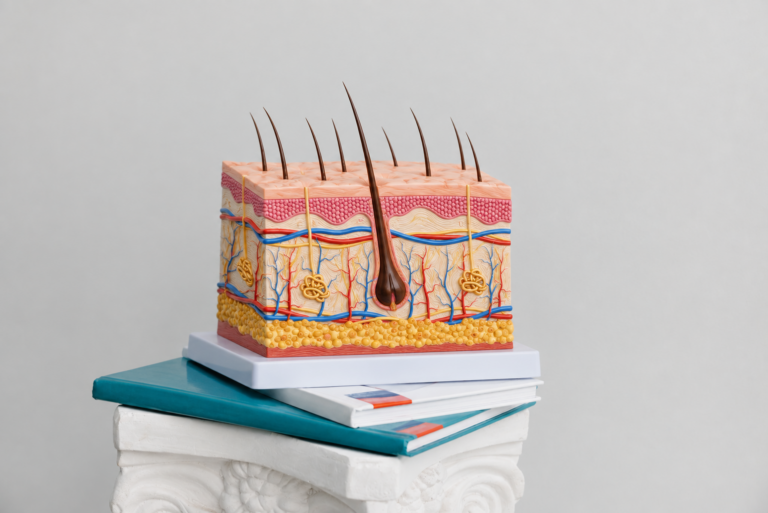
1 course in skin science · 3 focused lectures · Assessment in every course · Immediate, long-term access
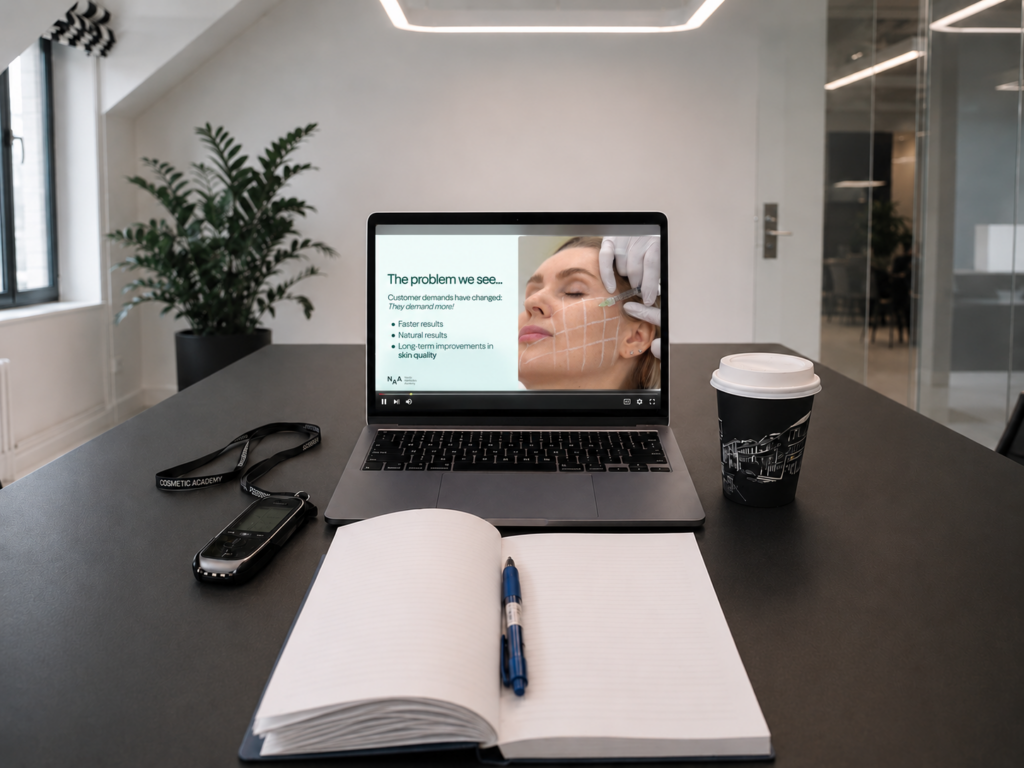
Theory diploma when every assessment is passed, and a separate hands-on diploma. Counts towards the full NAA certification pathway.

Structured online lectures you can revisit at any time.
Assessments in each included course and a verifiable theory diploma.
Choose online theory alone, or theory with hands-on training.
Inflammatory skin disorders – Acne, Perioral Dermatitis and Rosacea