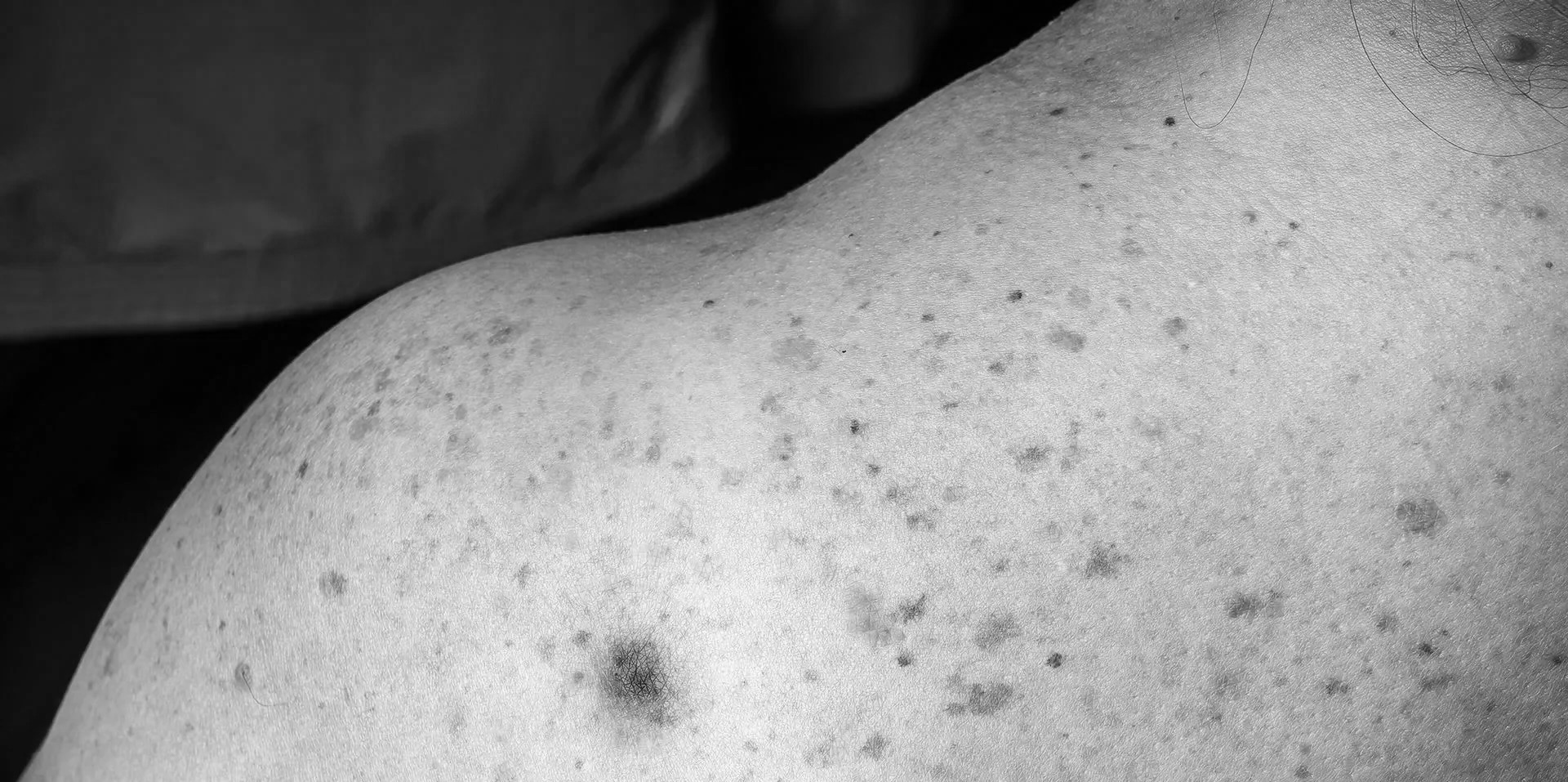




What is this Course:
This course is a foundation-level, clinically oriented training focused on how skin cancer risk and suspicious lesions should influence decision-making in skin and aesthetic practice.
It equips you with practical frameworks to observe skin changes systematically, identify red flags, and determine when treatment should be paused and referral is required.
You’ll learn how UV damage, genetics, and immune response contribute to skin cancer development, then translate that knowledge into clear, actionable clinical reasoning—without stepping outside professional scope.
Who Is this course for?
This course is designed for:
- Cosmetic nurses, aesthetic practitioners, and skin professionals
- Clinic-based practitioners who perform consultations, skin assessments, or pre-treatment screening
- Practitioners who want a stronger safety framework for deciding when to treat, when to defer, and when to refer
- Professionals who want to communicate risk and prevention clearly and sensitively to patients
What this course gives you
- A structured, repeatable approach to assessing suspicious skin changes
- Clear red-flag criteria to support safer clinical decision-making
- Practical guidance on when to defer aesthetic treatment and escalate appropriately
- Introductory dermatoscopy concepts to support pattern recognition and referral decisions
- Patient communication tools for risk, prevention, and referral conversations
Why this course is important
Skin cancer is common, and early detection can significantly change outcomes. In aesthetic and skin practice, practitioners often see patients frequently and may be the first to notice evolving lesions—especially during consultations, pre-treatment checks, or follow-up visits.
This course supports safer practice by strengthening your ability to:
- Recognise suspicious features early
- Avoid treating over lesions that warrant investigation
- Refer efficiently and appropriately
- Contribute to prevention and patient education as part of routine care
What you’ll learn
- Epidemiology and risk factors for melanoma and non-melanoma skin cancer
- How UV radiation contributes to DNA damage and immune suppression
- Key features and behaviour of BCC, SCC, and malignant melanoma
- Premalignant conditions and high-risk patient profiles
- How to apply the ABCDE, EFG, and “ugly duckling” principles in clinical observation
- Basic dermatoscopy terminology and pattern cues that should increase suspicion
- Referral thresholds, referral pathways, and how to communicate next steps with patients
- Prevention strategies and your role in early recognition and patient safety
Course Structure
The course is structured as progressive learning from foundation to application:
- The science of skin cancer (UV damage, genetics, immune response)
- Risk profiling and high-risk presentations
- Recognition frameworks (ABCDE, EFG, ugly duckling) + symptom red flags
- Dermatoscopy fundamentals (intro concepts + basic pattern recognition)
- Clinical decision-making: treat vs defer vs refer
- Communication, documentation, prevention, and professional responsibility
After completing this module, you will be able to:
- Identify skin changes that may indicate skin cancer
- Use structured observation frameworks to assess lesions consistently
- Apply basic dermatoscopy concepts to support referral-oriented decisions
- Make safer treatment decisions when lesions are uncertain or suspicious
- Communicate clearly and sensitively with patients about risk, prevention, and next steps
- Know when and how to refer patients for further investigation
- Play an active, informed role in reducing avoidable delays in detection within your practice setting
Structure, Certification & Hands-on-Training:
What this course gives you
- A consistent checklist-based approach to lesion observation
- A clearer threshold for escalation (including urgent referral red flags)
- Better alignment between patient safety and aesthetic treatment planning
- Improved documentation and communication habits that support continuity of care
Hands-on Training
No hands-on training included (the course is lecture + case-based).
This module develops clinical reasoning through visual examples and case scenarios. You will practise applying observation frameworks and decision thresholds to realistic situations—without a live practical workshop component.
Who This Course Is Not For
This course is not intended for:
- Practitioners seeking training to diagnose skin cancer independently
- Anyone looking for instruction on treating skin cancer lesions
- Practitioners who want a procedural dermatoscopy certification or advanced diagnostic dermoscopy training
Educational Resources & Tools
- Structured observation guidance
- Risk factor and high-risk profile references
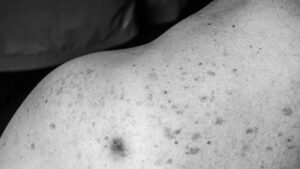
- Visual examples of common skin cancers and premalignant presentations
- Referral and documentation guidance for safer escalation and communication
- Prevention counselling principles relevant to at-risk patients
Clinical Application
This course is built for day-to-day practice across:
- Initial consultation/screening: identifying risk profiles and suspicious changes early
- Pre-treatment safety checks: recognising when treatment should be deferred pending investigation
- Ongoing follow-up: noticing evolution, documenting change, and escalating appropriately
You will learn how to integrate a safety checkpoint into your clinical workflow so that aesthetic decision-making remains aligned with responsible escalation pathways.
Safety & Professional Standard
This module is designed to strengthen patient safety and professional responsibility in skin and aesthetic practice.
Scope statement (important):
This course does not train practitioners to treat skin cancer. It provides a structured approach to recognising suspicious features, communicating risk, and supporting timely referral to an appropriately licensed medical clinician for assessment, diagnosis, and management.
What happens after you purchase the course?
- Immediate access to all online lectures
- Support from our team
- Structured theory lectures and demo videos
- Multiple choice assessments in each included course
- Access to live group meetings
- 1:1 digital meeting with academic instructor
- Downloadable resources
- You study at your own pace.
FAQ – Common Questions
Does this course qualify me to diagnose or treat skin cancer?
No. This course does not qualify you to diagnose or treat skin cancer.
It trains you to recognise suspicious features, apply structured observation, and make safer decisions about when to defer aesthetic treatment and refer to an appropriately licensed medical clinician for investigation and management.
Who should take this course if they don’t work in dermatology?
Any practitioner who evaluates skin as part of consultations or treatment planning can benefit—especially those performing pre-treatment safety checks where lesion risk may affect treatment choices.
What skin cancers does the course focus on?
Any practitioner who evaluates skin as part of consultations or treatment planning can benefit—especially those performing pre-treatment safety checks where lesion risk may affect treatment choices.
Will this help me communicate risk without alarming patients?
Yes. The course includes guidance on clear, sensitive communication, safety-netting, and explaining referral steps in a calm, professional way.
Is this course only for licensed healthcare providers?
It is designed for licensed healthcare providers (MDs, nurses, dentists), but anyone can buy the course for the theoretical content.
Does the course include hands-on training?
No. This is a theory-based course focused on foundational science, assessment structure, and treatment planning principles.
Will this help with real clinical decision-making?
Yes. The course is built to support consultation, risk screening, treatment planning, and relapse prevention through a structured framework.
Do I need prior training?
No. This is a foundation and essential module.
What will I receive after completing the course?
A knowledge test, plus downloadable reference tools such as checklists and assessment sheets.
Do I receive a diploma?
Yes, a digital diploma is provided upon successful completion.
How long do I have access?
You receive immediate access, with ongoing availability according to NAA platform terms.