

Filler Complications: Mechanisms, Recognition & Safe Clinical Response – Dr. Tom Decates

670 

Learn how to recognize and interpret filler complications using clinical reasoning
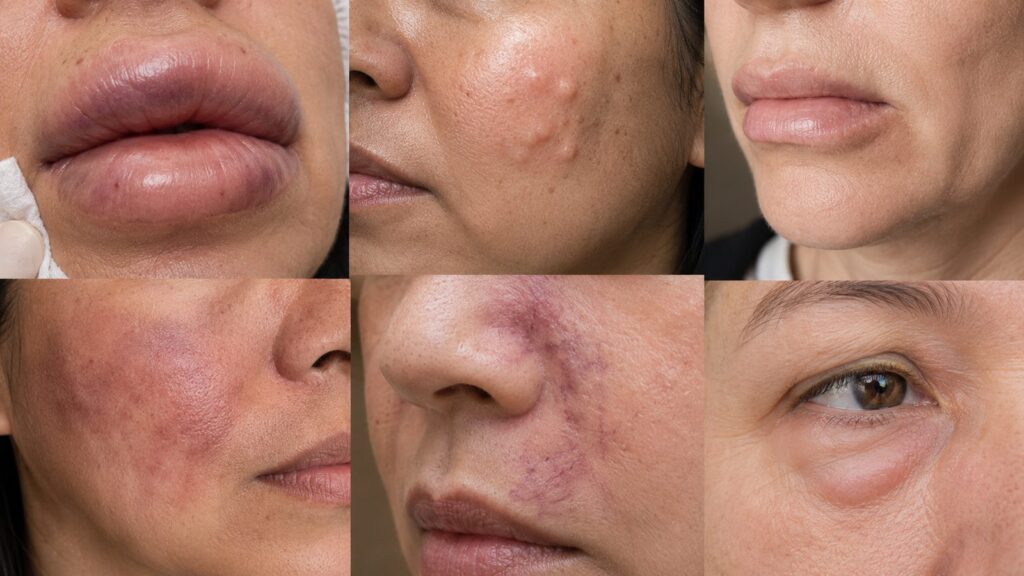
Understand the biological mechanisms behind complications and apply structured decision-making to respond safely in clinical practice.

Designed for doctors, nurses, and dentists entering or advancing in aesthetic medicine

  • Lectures, tests, and expert-led teaching
  • Clinical frameworks and decision tools
  • Diploma and hands-on eligibility

Description

What is this Course:

This is a theory-based, safety-critical course focused on the mechanisms, classification, and clinical interpretation of filler complications.

Rather than teaching isolated treatment protocols, the course develops your ability to:

  • Analyze complications through pathophysiology and biology
  • Recognize patterns in clinical presentation
  • Make safe and appropriate decisions within your scope

The course is part of Module 4: Hyaluronic-Based Fillers – Science, Safety & Clinical Practice, and is also available as a standalone online course.

Who Is this course for?

This course is designed for licensed healthcare professionals who want to begin performing filler treatments and need a strong theoretical foundation before practical training.

The course is particularly relevant for: 

  • Doctors entering aesthetic medicine
  • Nurses starting dermal filler treatments
  • Dentists expanding into facial aesthetics
  • Practitioners seeking stronger safety awareness and product understanding

Individuals interested in the science of filler complications without performing injections may also take the theoretical component.

Practical filler training requires medical authorization according to local regulations.

Why this course is important

In aesthetic medicine, complications are often not the result of poor technique, but of incorrect interpretation and delayed response.

Without this knowledge:

  • Misdiagnosis leads to inappropriate treatment
  • Complications escalate unnecessarily
  • Clinical reputation and patient trust are compromised

With this knowledge:

  • Improved complication recognition
  • Safer and more appropriate decision-making
  • Greater clinical consistency and confidence

What you’ll learn

Assesment

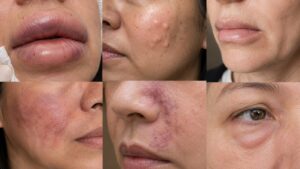
  • How to evaluate clinical signs of vascular, inflammatory, and infectious complications
  • How to identify early warning signs and risk indicators

Analysis

  • How to interpret complications based on underlying biological mechanisms
  • How to differentiate between similar clinical presentations

Decision-Making

  • When intervention is appropriate
  • When escalation or referral is required

Planning

How to approach uncertainty using clinical frameworksn Content

How to structure a safe and logical response to complications

Course Structure
  • Online, self-paced learning
  • One structured lecture with clinical explanations
  • Integrated multiple-choice test
  • Unlimited test attempts
  • Immediate access to all content
After completing this module, you will be able to:

After completing this course, you will be able to:

  • Recognize early signs of vascular, inflammatory, and infectious complications
  • Interpret clinical findings using a structured, mechanism-based framework
  • Differentiate between complication types based on underlying cause
  • Make appropriate initial treatment decisions within your competence
  • Apply escalation protocols and understand when referral is required
  • Reduce the risk of misdiagnosis and inappropriate intervention

Structure, Certification & Hands-on-Training:

Hands-on Training

This course is an online theoretical training.

After completing the course and passing the required tests, you become eligible to attend hands-on training within this treatment area.

Hands-on training is a structured clinical extension of the theoretical training, where you perform real treatments on patient models under direct supervision.

  • Small group training (1 trainer per 4–6 participants)
  • Training on 3 patient models
  • Supervised by experienced clinicians
  • Conducted at training locations across Europe
Who This Course Is Not For
  • Those seeking quick, technique-only training
  • Individuals wanting immediate hands-on without theory
  • Participants not interested in clinical reasoning
  • Practitioners looking for simplified treatment protocols
Educational Resources & Tools
  • Clinical complication assessment frameworks
  • Decision-making models for complication analysis
  • Structured classification systems
  • Case-based clinical examples
  • Diagnostic reasoning support tools
Clinical Application
  • Apply structured reasoning during patient assessment
  • Interpret complications more accurately in real scenarios
  • Translate clinical findings into safe decisions
  • Improve treatment planning and patient communication
Safety & Professional Standard
  • Emphasis on correct interpretation before intervention
  • Strong focus on risk awareness and complication prevention
  • Reinforces clinical responsibility and scope awareness
  • Supports standardized and structured decision-making
What happens after you purchase the module?
  • Immediate access to all online lectures
  • Support from our team
  • Structured theory lectures and demo videos
  • Multiple choice assessments in each included course
  • Access to live group meetings
  • 1:1 digital meeting with academic instructor
  • Downloadable resources
  • You study at your own pace.

FAQ – Common Questions

Do I need prior experience?

No, the course is designed for beginners and does not require prior injection experience.

Is hands-on training included?

No, hands-on training is not included but becomes available after completing the course.

Is this enough to start treating?

No, this course provides theoretical understanding and does not qualify you to perform treatments independently.

Do I receive a diploma?

Yes, a digital diploma is provided upon successful completion.

How long do I have access?

You receive immediate access, with ongoing availability according to NAA platform terms.

Invest in your future

Take the first step towards mastering aesthetic medicine.
Get professional advice to excel in your education.

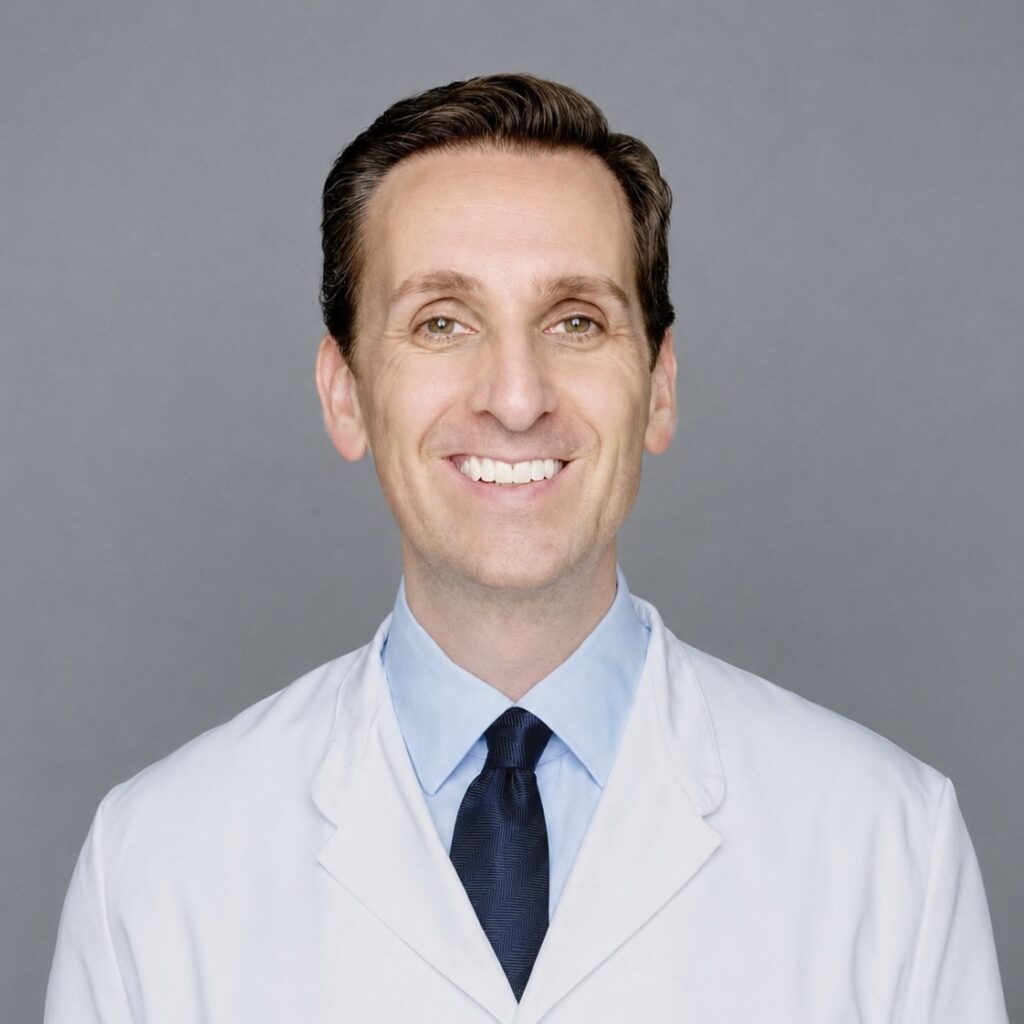
Lecturer

Dr. Tom S. Decates, MD, PhD

Dr. Tom S. Decates is an internationally recognized expert in non-surgical aesthetic medicine, based in the Netherlands. As a cosmetic physician (KNMG, MD, PhD), he is particularly sought after for his expertise in injectable treatments such as botulinum toxin and dermal fillers. He has specialized…

Read more
Shopping Basket
Filler Complications: Mechanisms, Recognition & Safe Clinical Response - Dr. Tom DecatesFiller Complications: Mechanisms, Recognition & Safe Clinical Response – Dr. Tom Decates

670 
Scroll to Top